



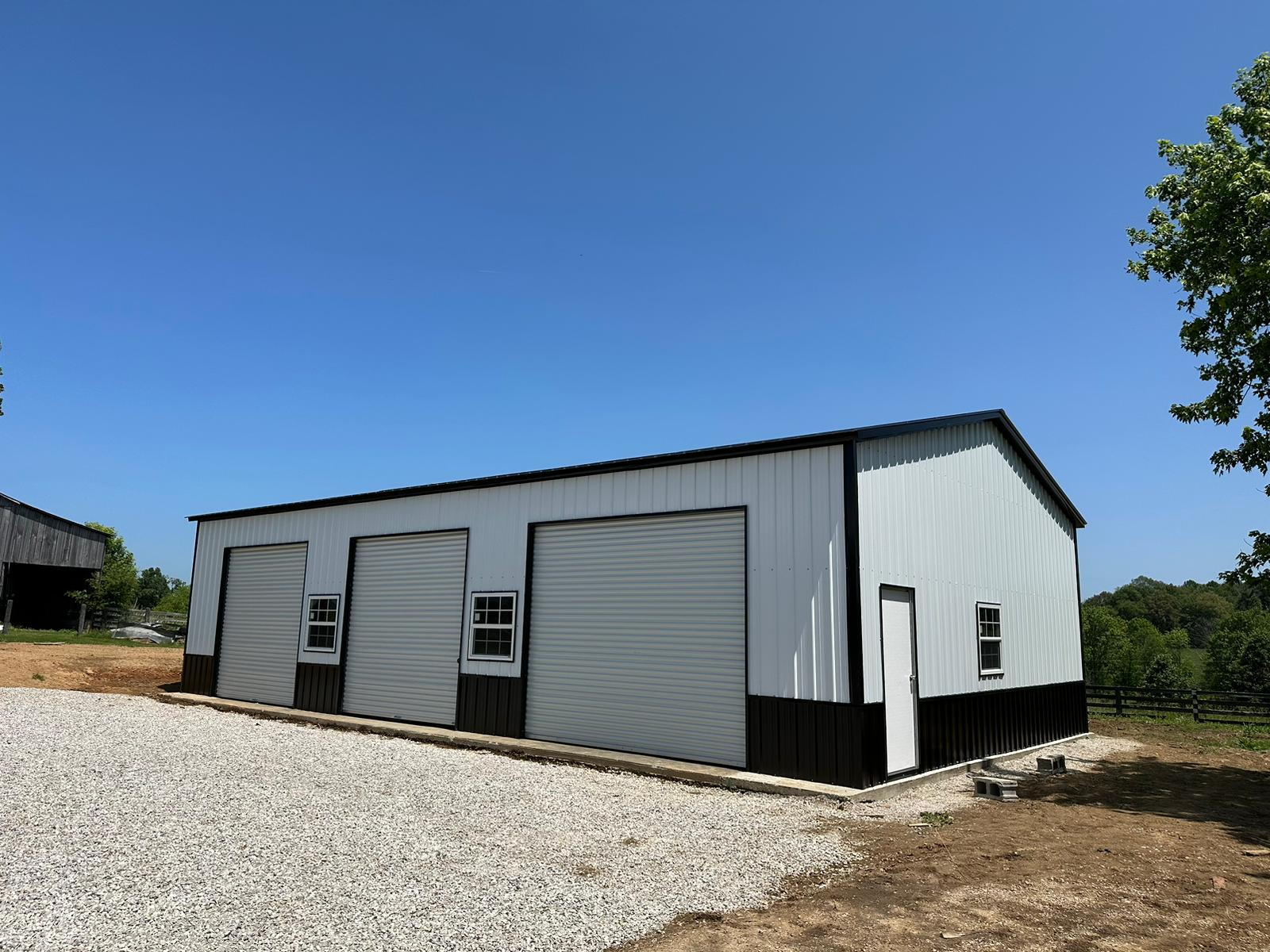
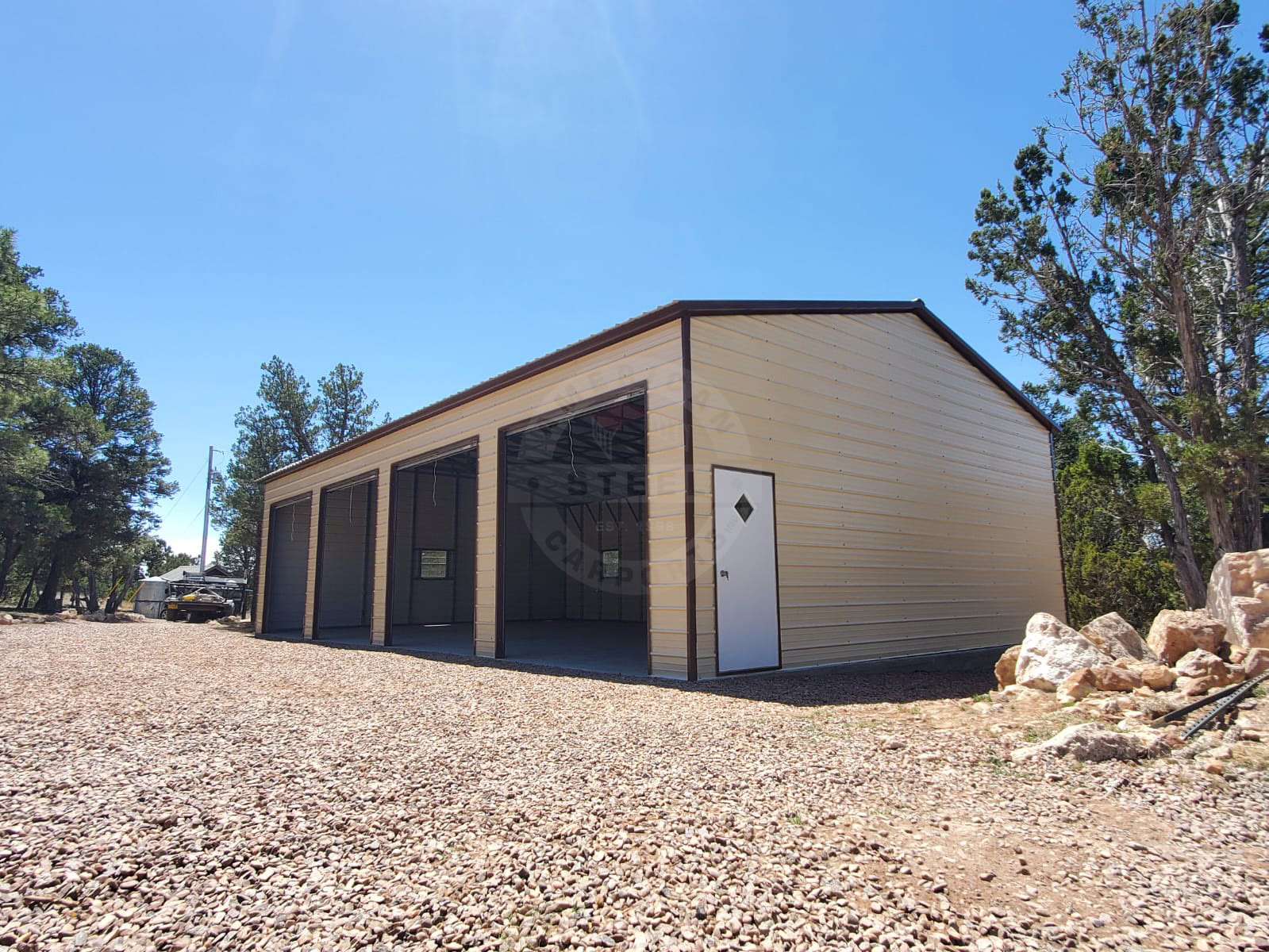
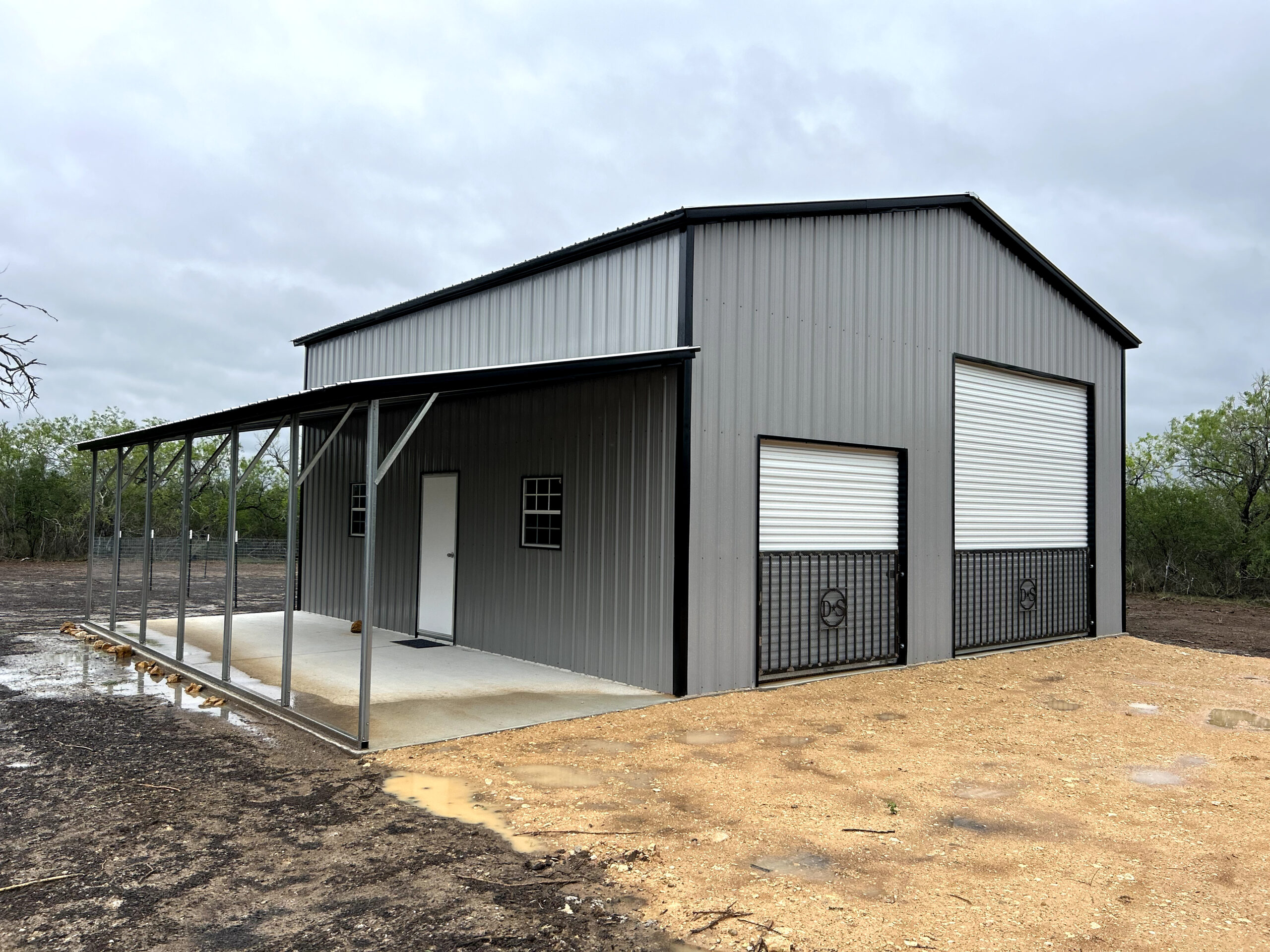
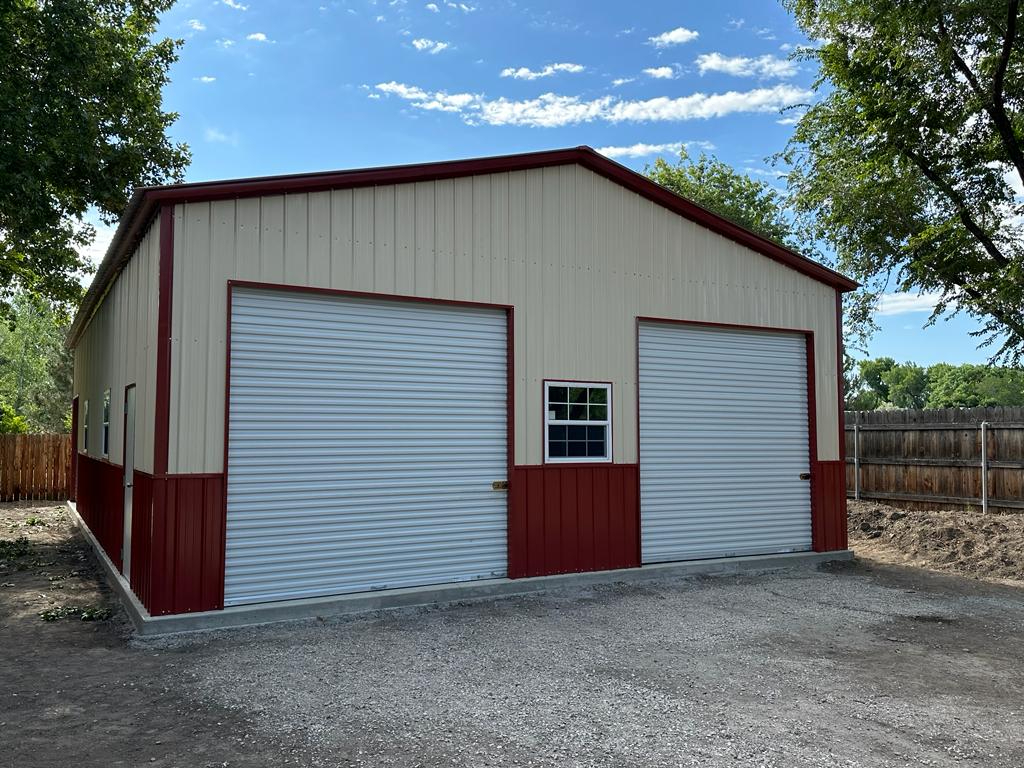

How Tall Should a Metal Carport Be?

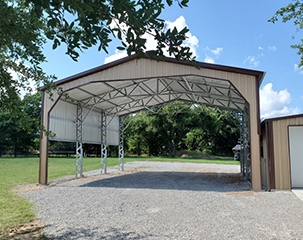
A standard metal carport is typically built with a 6- to 7-foot leg height, but most vehicle owners are better served by 8 to 9 feet of clearance, and anything storing trucks, RVs, or boats should plan for 10 to 14 feet or more. The right height depends entirely on what you’re parking underneath it — and it’s much easier to build tall enough the first time than to retrofit later.
Height is one of the most overlooked details when customizing a structure, which is why our Build & Price tool lets you adjust leg height directly while you build your Custom Carport, so you can see exactly how added clearance affects both fit and price before you order.
What’s the Standard Height for a Basic Carport?
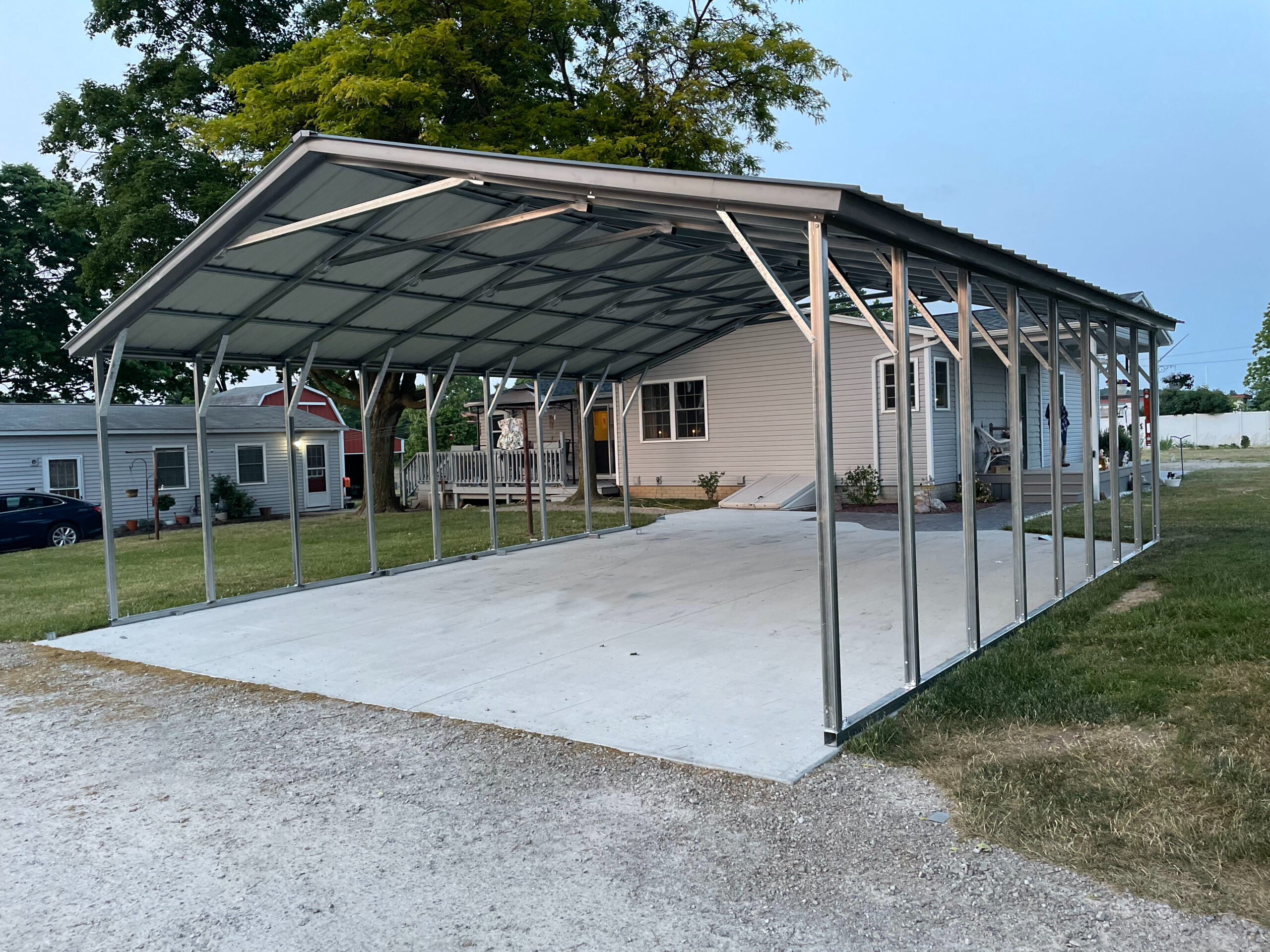
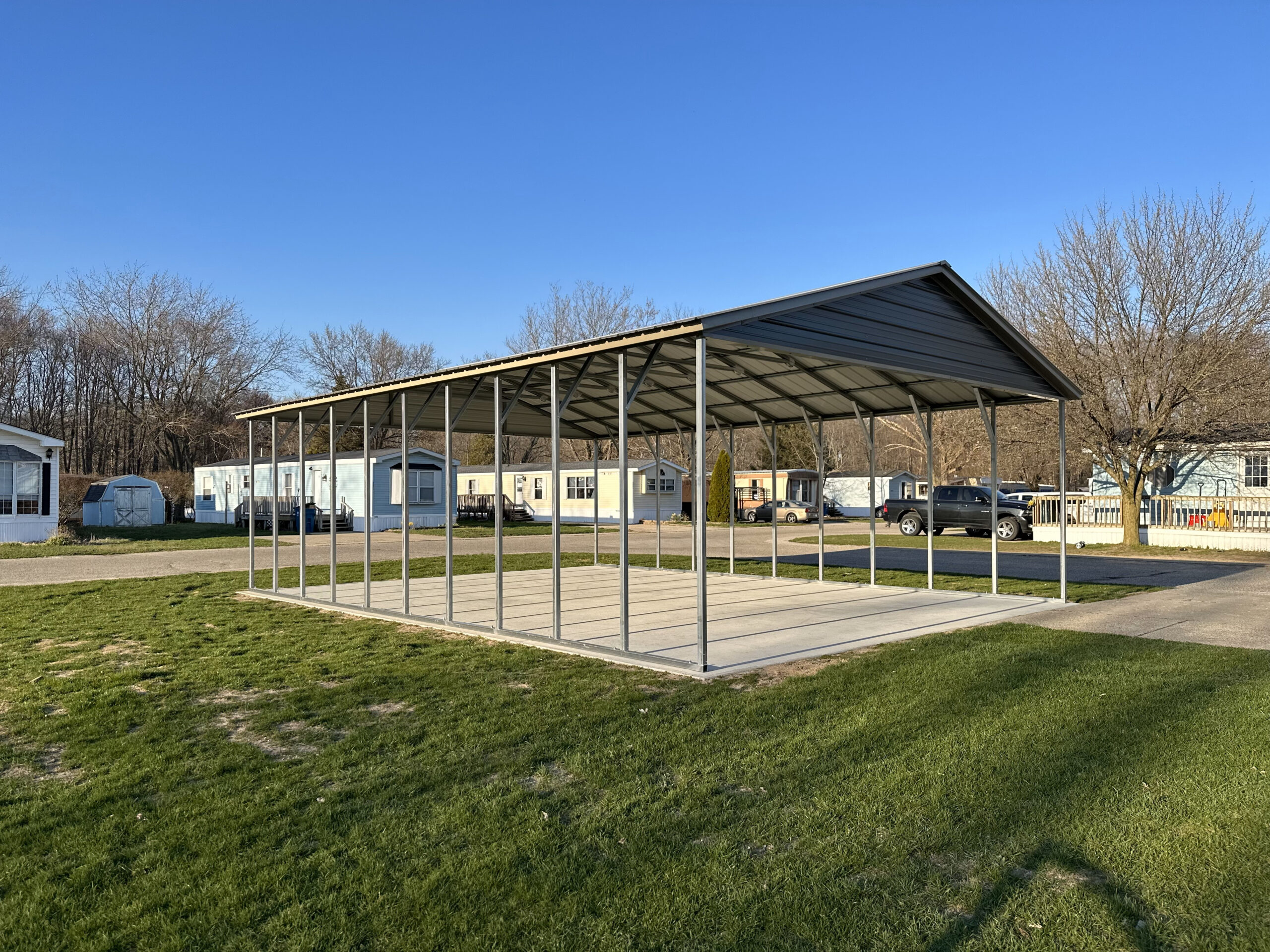
Most standard metal carports come with 6- to 7-foot legs, which comfortably covers sedans, small SUVs, and everyday passenger vehicles. This height keeps materials costs lower and provides plenty of clearance for typical daily-driver use.
How Tall Should a Carport Be for Trucks and SUVs?
Full-size trucks, raised SUVs, and vehicles with roof racks or aftermarket lift kits generally need at least 8 to 9 feet of clearance. It’s worth measuring your tallest vehicle — including any antennas, roof racks, or ladder racks — and adding a foot or two of buffer so you’re not clipping the roofline on windy days when the vehicle shifts slightly during parking.
What Height Do RVs and Campers Require?
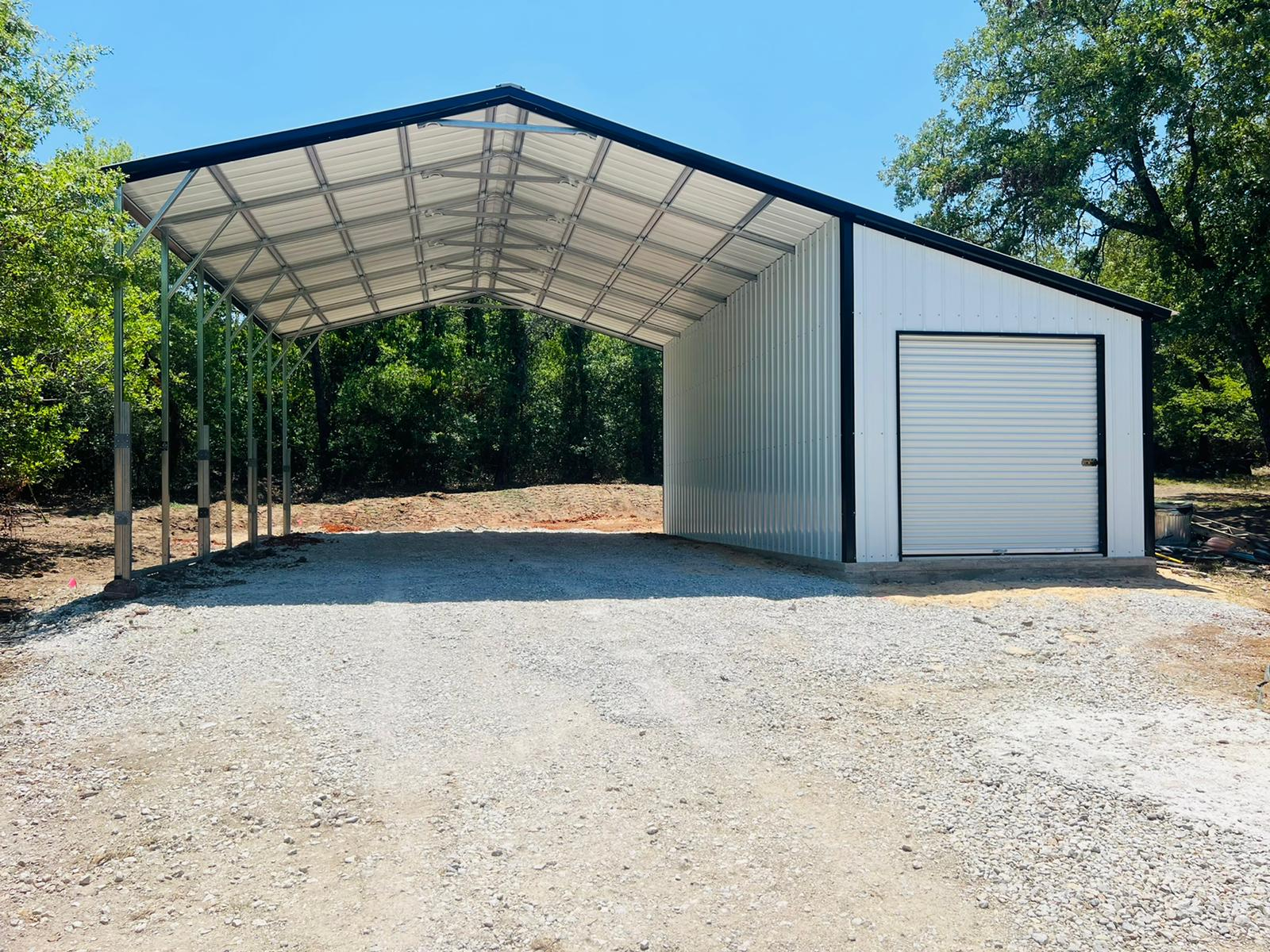
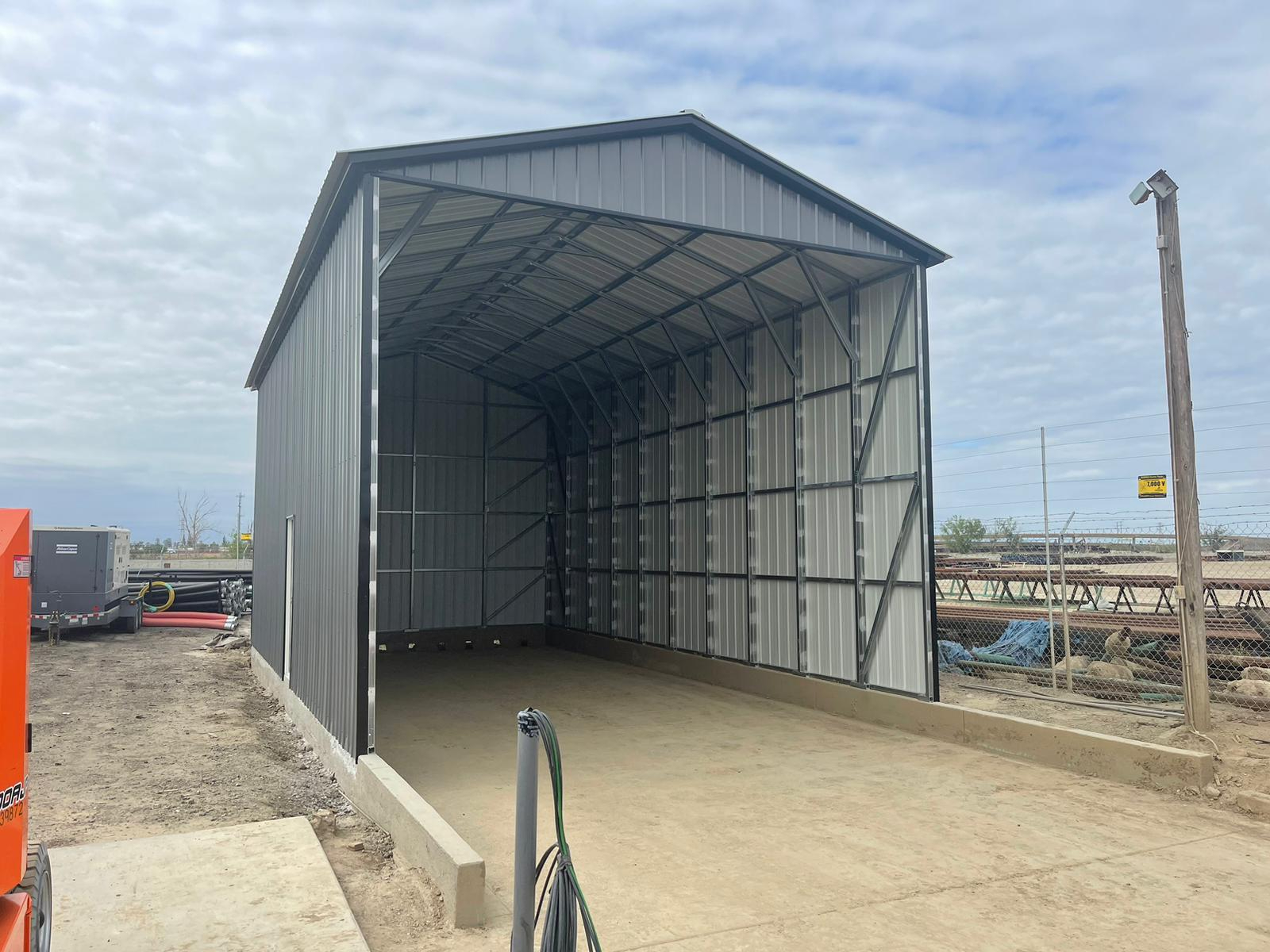
RVs and campers need considerably more headroom, often 12 to 14 feet or taller depending on the class and any roof-mounted AC units or antennas. Before finalizing a height, check out our RV carport height guide for a detailed breakdown by vehicle type, or explore our dedicated RV carport line, which is engineered with taller clearance as standard.
Does Boat Storage Change the Height Requirement?
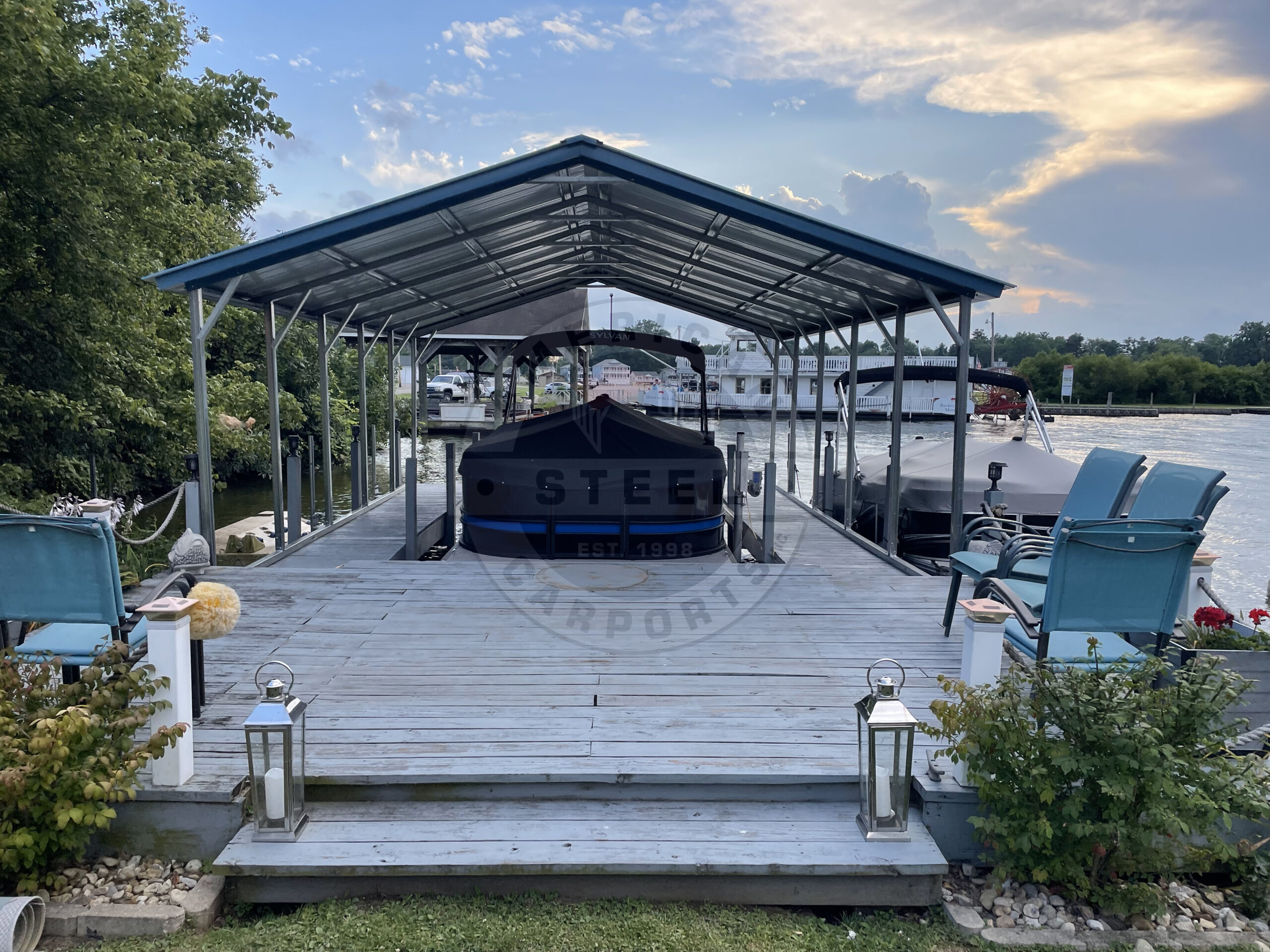
Yes — boats on trailers can require some of the tallest clearances of any vehicle type, especially with a raised hull, tower, or antenna. Measuring from the ground to the highest point of the boat and trailer combined, then adding a safety margin, prevents an expensive height mismatch after installation.
Should I Build Taller Than I Need Right Now?
In most cases, yes. Building a foot or two taller than your current vehicle requires gives you flexibility if you upgrade to a taller truck, RV, or trailer in the future, and it costs far less to add that clearance during initial construction than to rebuild later. It’s a small price difference for meaningful long-term flexibility.
Build Your Carport at the Right Height
Getting the height right the first time protects your investment and your vehicle. Configure your ideal leg height directly in the Build & Price tool, or request a free estimate and our team will help you match the right clearance to your vehicle, trailer, or equipment before your carport goes into production.
FAQ
What’s the tallest height available for a metal carport?
Custom leg heights up to 14 feet or more are available depending on the structure type, making it possible to accommodate large RVs, boats, and commercial equipment.
Does a taller carport cost significantly more?
There’s typically a modest cost increase per foot of added height, but it’s a small fraction of the cost of rebuilding a structure that’s too short for your vehicle later.
How do I measure the height I need?
Measure from the ground to the highest point of your vehicle — including antennas, racks, or raised hulls — and add at least 1-2 feet of buffer for safe clearance.
Can I add height to an existing carport?
Adjusting height after installation is far more difficult and costly than specifying it upfront, which is why it’s worth confirming your tallest vehicle’s dimensions before finalizing your order.