


RV Carport vs. RV Cover: Which Provides Better Long-Term Protection?
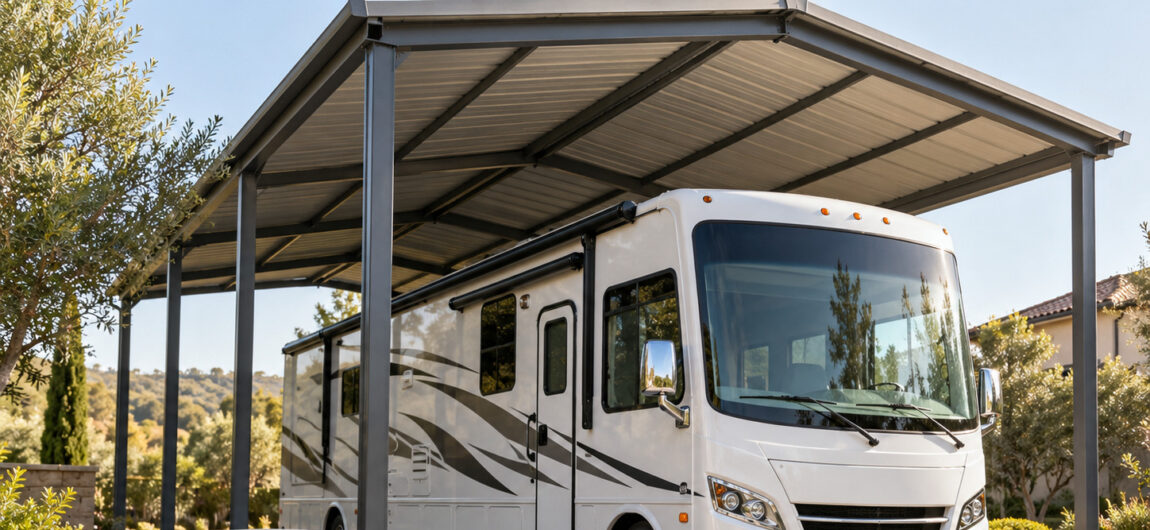
A permanent steel RV carport generally provides better long-term protection than a fabric or portable RV cover because it creates durable overhead shelter without resting against the vehicle. A fitted fabric cover can still be useful when space, budget, or property rules prevent a structure. The right answer depends on weather exposure, storage frequency, maintenance tolerance, site access, and how long you expect to keep using the solution.
When you are ready to see what design options are possible by working with the American Steel Carports, Inc. team, be sure to visit our Build & Price tool. We also welcome you to contact us directly to learn more.
What Does “RV Cover” Mean?
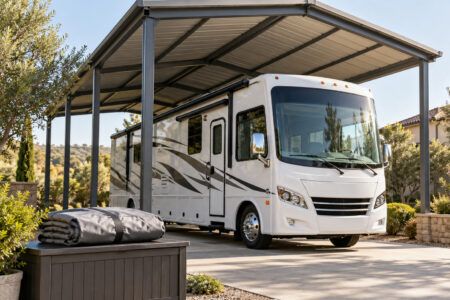
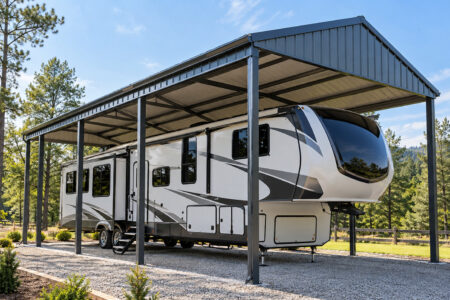
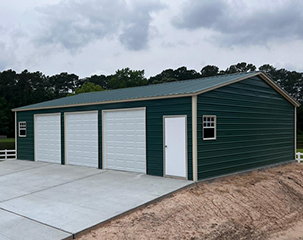
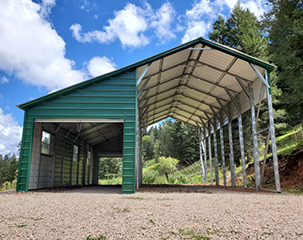
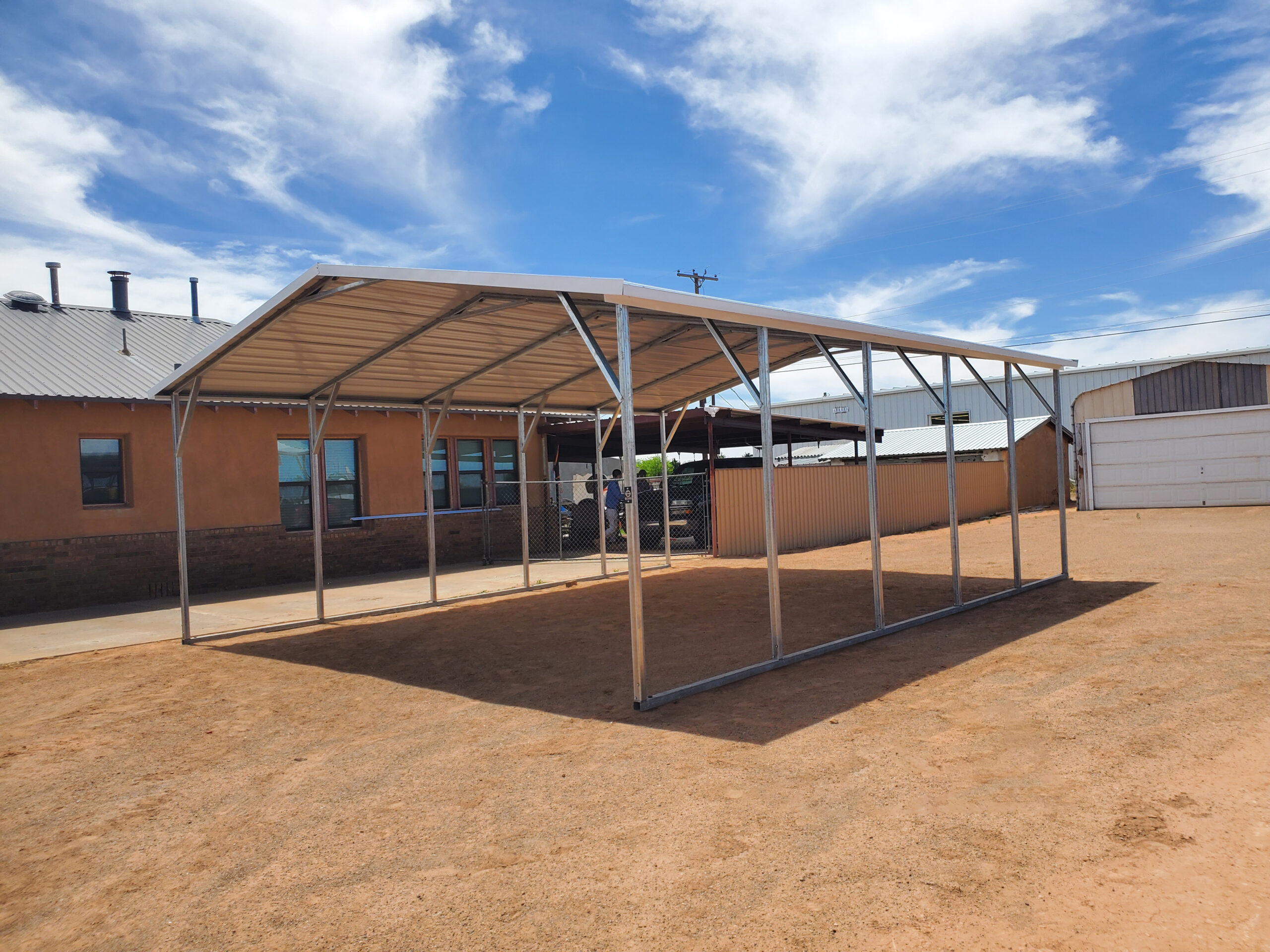
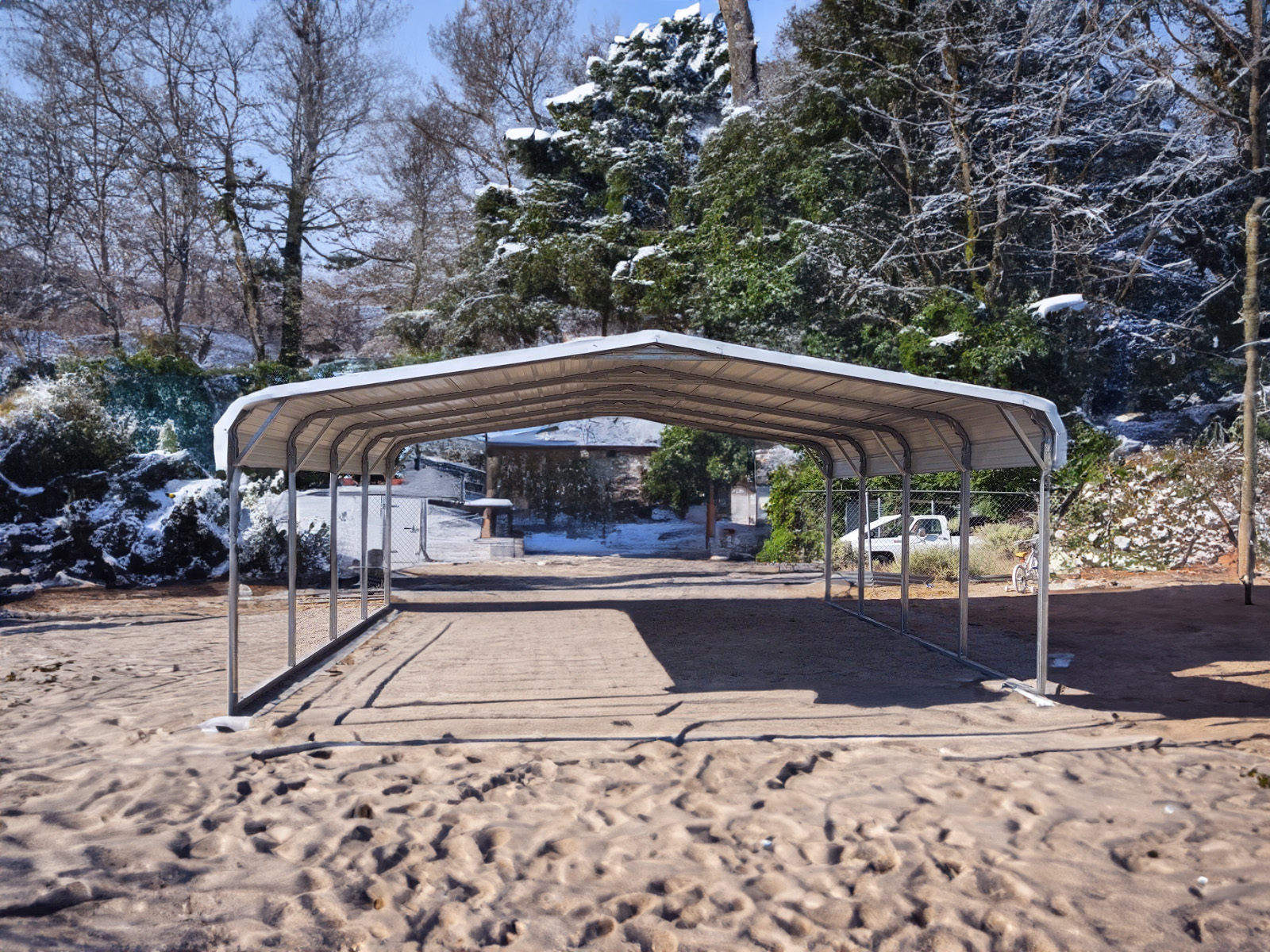
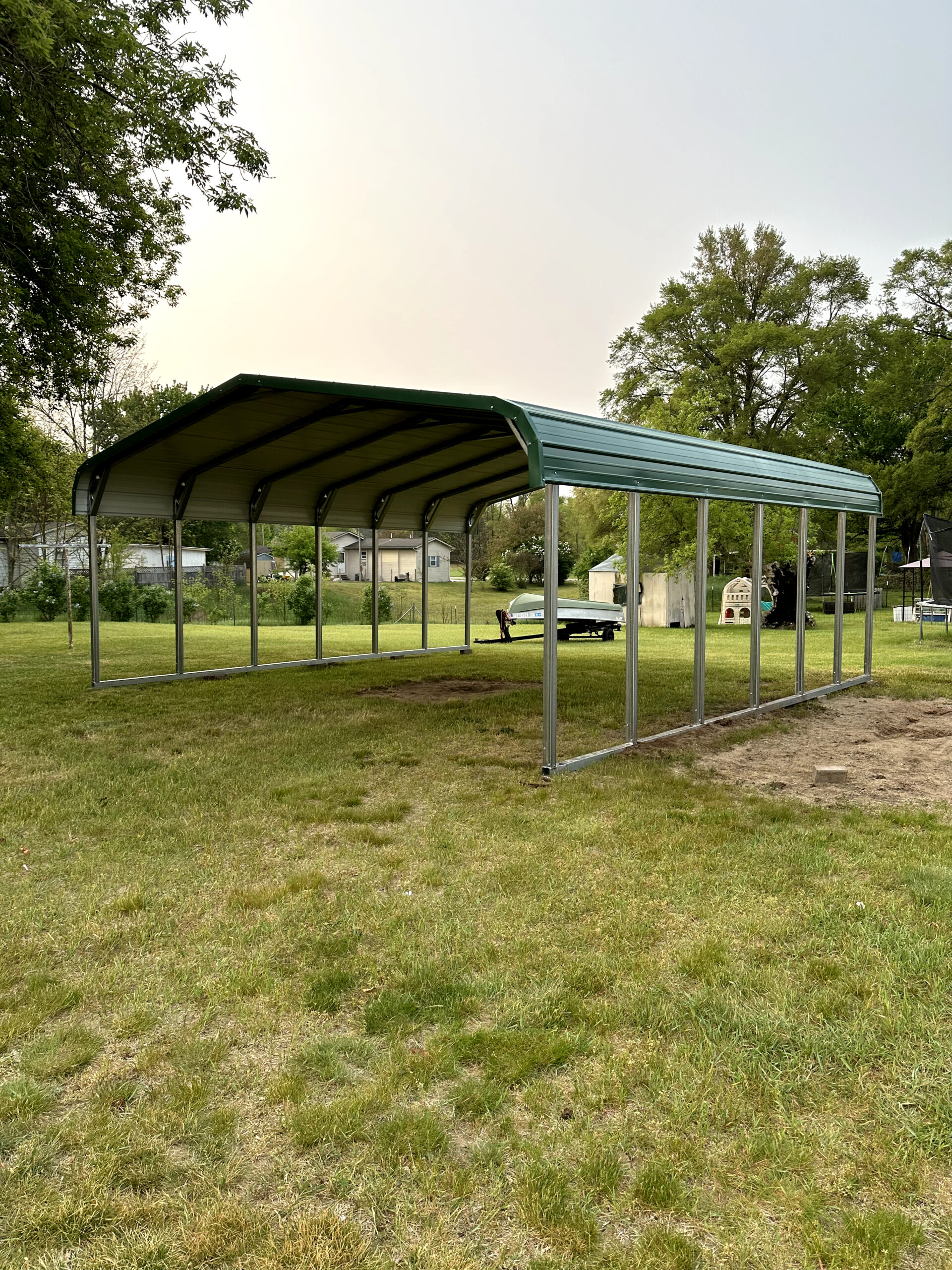
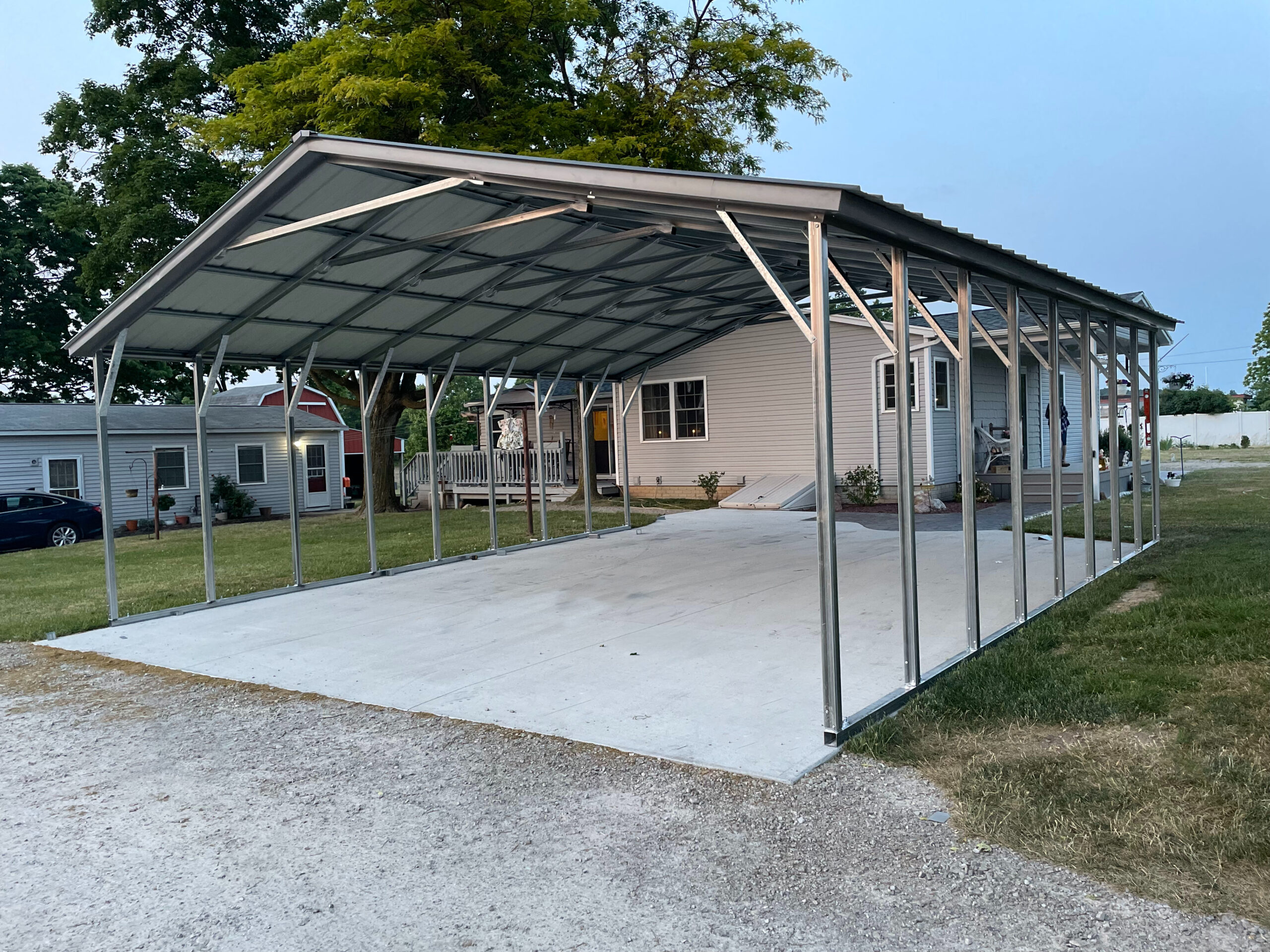
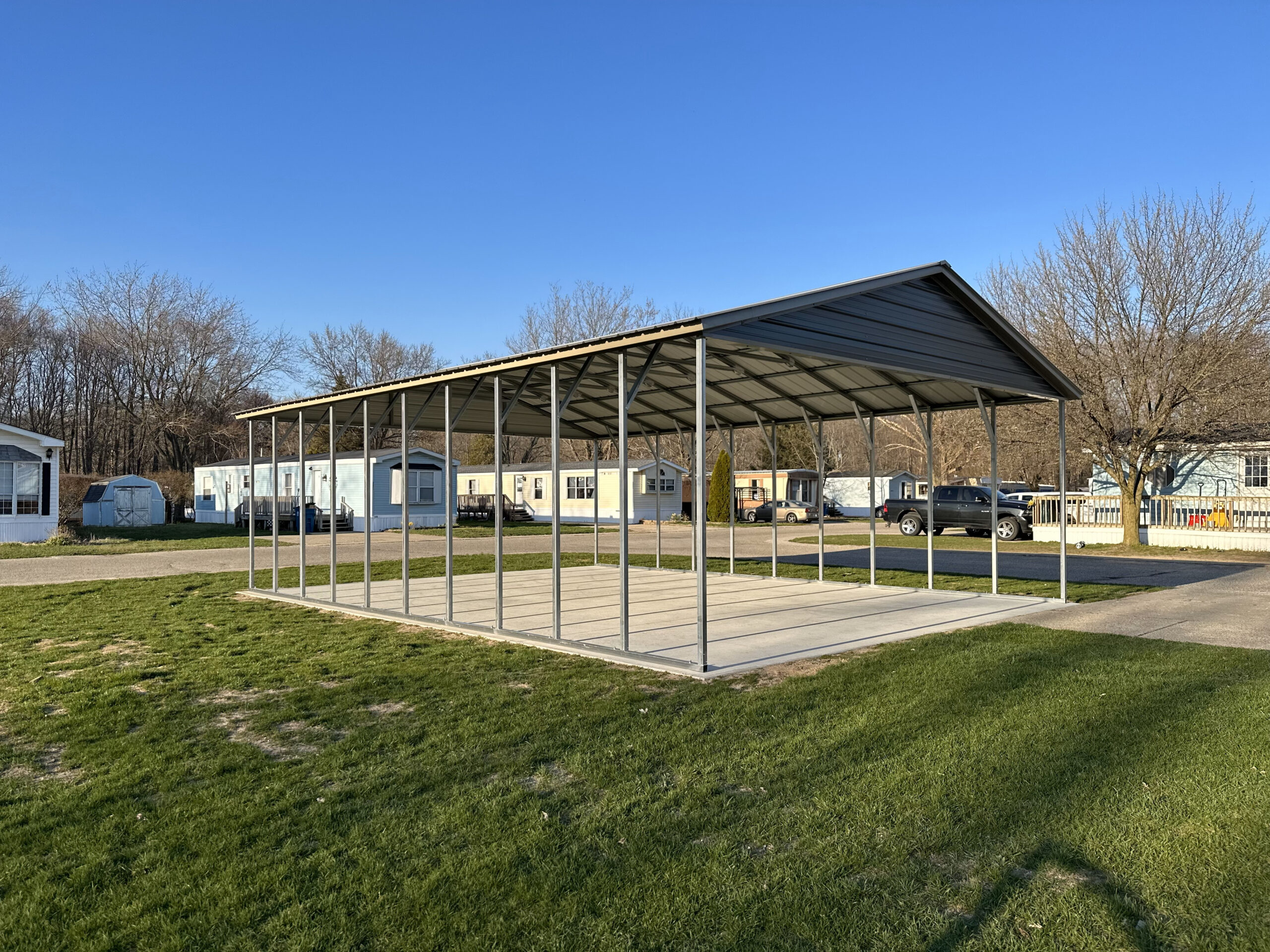
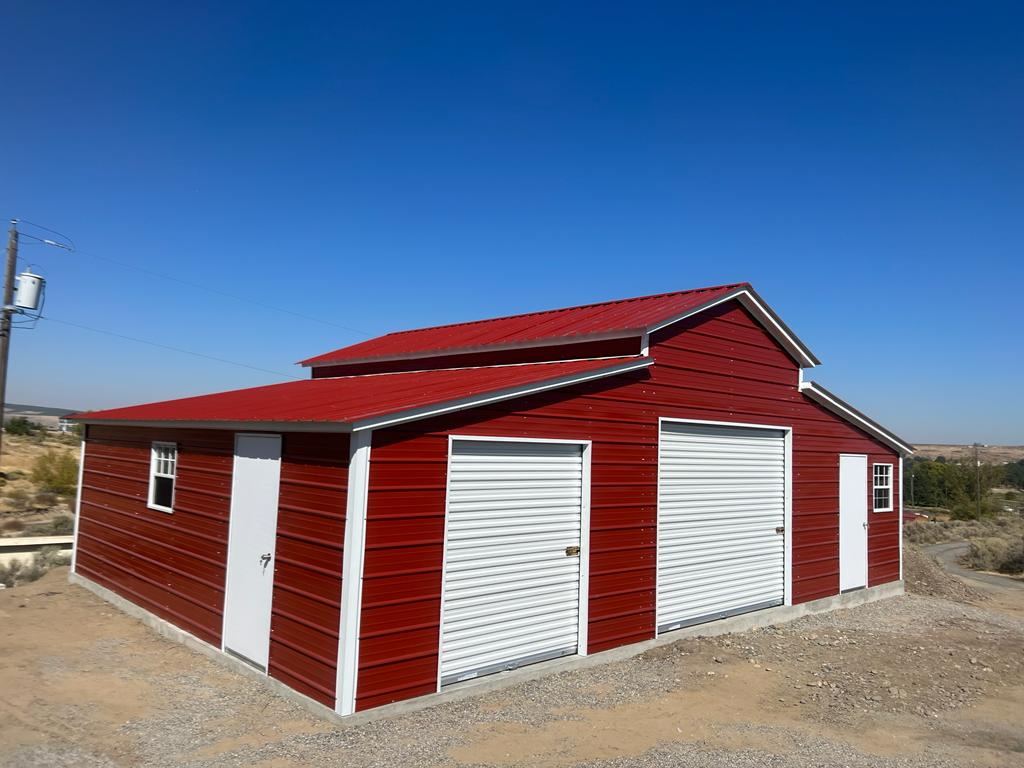
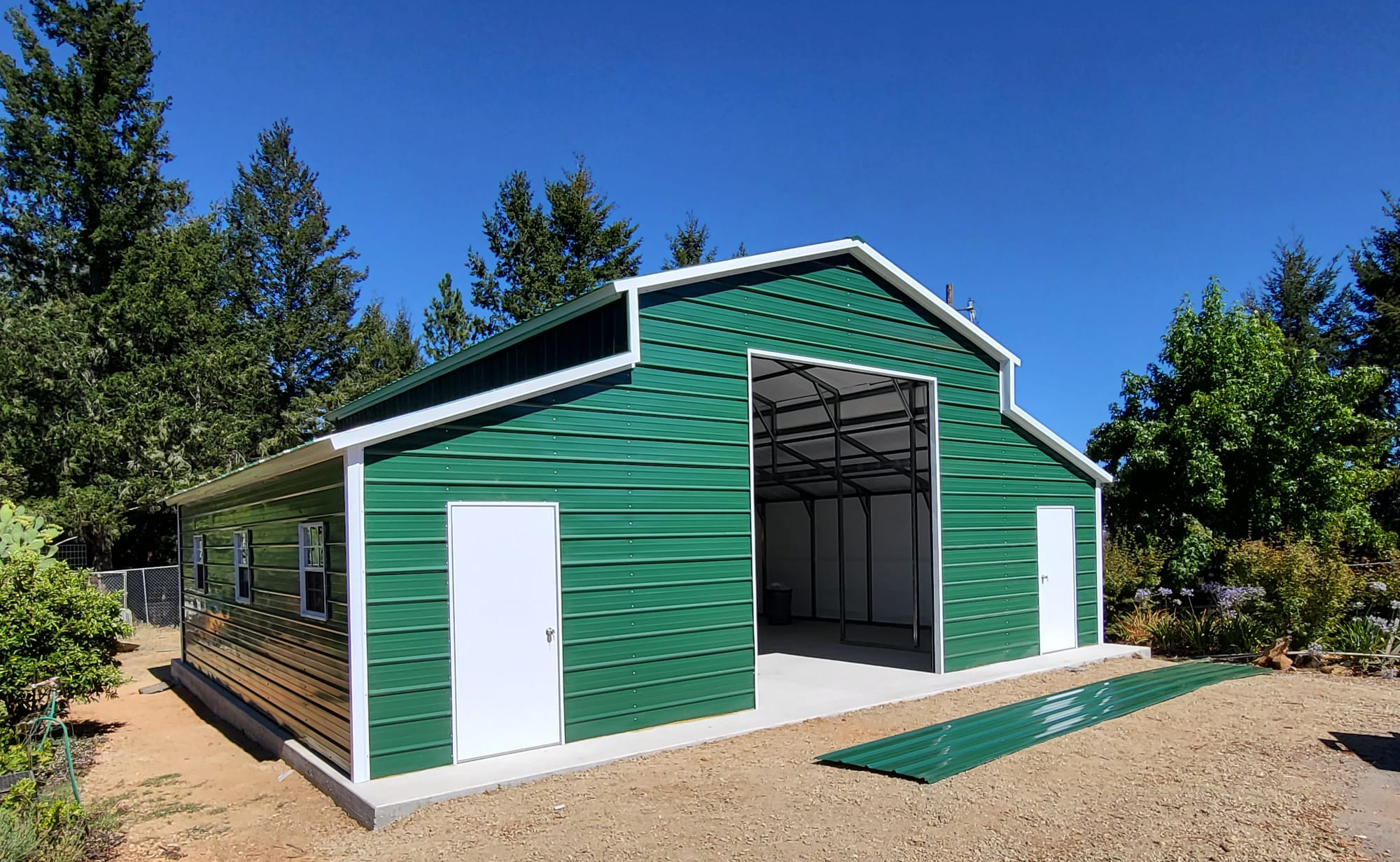
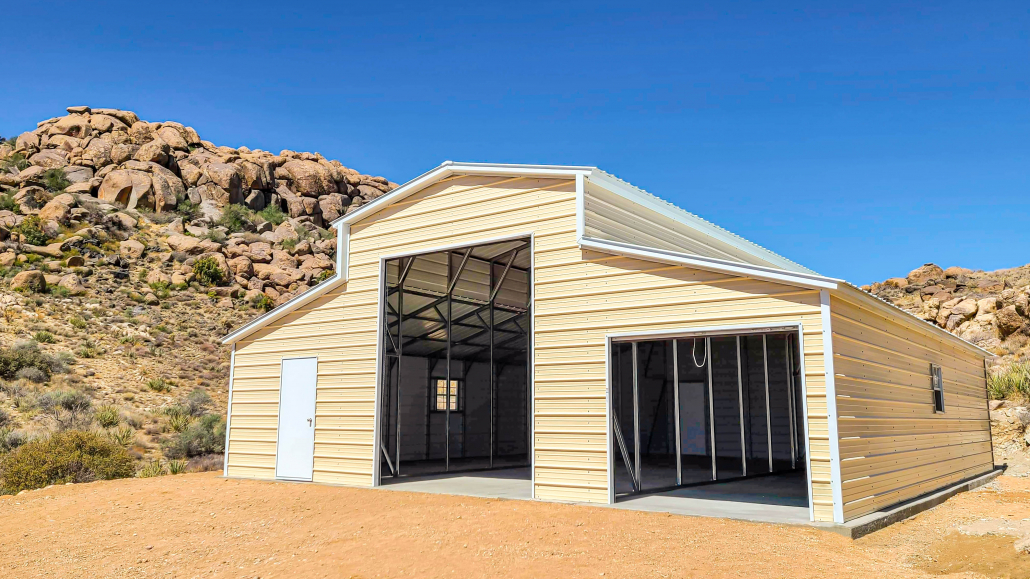
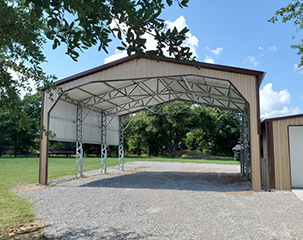
The phrase can describe two very different products: a building-style shelter or a fitted cover placed directly over the RV. For this comparison, “RV carport” means a freestanding metal structure, while “RV cover” means a soft cover made from fabric or a similar flexible material. A metal RV carport protects from above and can be customized; a fitted cover wraps the vehicle and must be installed and removed.
RV Carport vs. Fitted Cover at a Glance
| Factor | Metal RV carport | Fitted RV cover |
| Contact with RV | Does not rest on the exterior | Touches the finish and hardware |
| Daily access | Usually quick and unobstructed | Requires partial or full removal |
| Wind behavior | Depends on engineered design and anchoring | Can flap, shift, or tear if poorly fitted |
| Moisture management | Open designs allow airflow | Breathability and installation affect trapped moisture |
| Service life | Designed as a permanent structure | Wear item that may need replacement |
| Site needs | Requires space, base planning, and possible permits | Needs little permanent site work |
Where a Metal RV Carport Protects Better
No Material Rubbing Against the Exterior
A properly sized carport provides shade and overhead coverage without fabric touching paint, seals, vents, or trim. That matters in windy conditions, when a loose cover can move across the exterior. A shelter also lets you inspect the roofline and sides without wrestling with a large cover.
Faster Access Throughout the Year
Frequent travelers often benefit from drive-in protection. Loading, checking batteries, airing the interior, or preparing for a trip can happen beneath the roof. With a fitted cover, even a short inspection may require uncovering several attachment points and reinstalling them afterward.
A Longer-Term Property Improvement
A steel carport is intended to remain in place. When the dimensions, roof system, anchoring, and certification are selected for the site, it can serve multiple RVs over time. A portable cover is easier to relocate but is also more exposed to abrasion, ultraviolet degradation, and handling damage.
Where a Fitted RV Cover Can Make Sense
A fitted cover can be the practical choice for seasonal storage, rented property, a narrow lot, or a location where permanent structures are restricted. It may also protect portions of the RV that remain exposed beneath an open-sided carport. The cover should fit closely, accommodate rooftop equipment, use its ventilation features as intended, and be checked after severe weather.
Never assume a cover eliminates moisture problems. The RV should be clean and dry before covering, and the material should be installed according to its manufacturer’s instructions. Sharp edges and protrusions may need compatible protection to reduce wear.
Weather Protection Is More Than Keeping Off Rain
- Sun: a roof reduces direct exposure on the RV roof and can help shade the sides, depending on orientation and panel placement.
- Rain and snow: roof style, pitch, dimensions, and local design loads affect performance.
- Wind: permanent structures require correct anchors and site-specific design; fabric covers need secure installation and regular inspection.
- Debris: overhead metal panels can intercept leaves, twigs, and light falling material, but nearby trees still need routine care.
- Moisture: open airflow may help drying, while any enclosed or wrapped solution needs intentional ventilation.
How Much Enclosure Is Worth It?
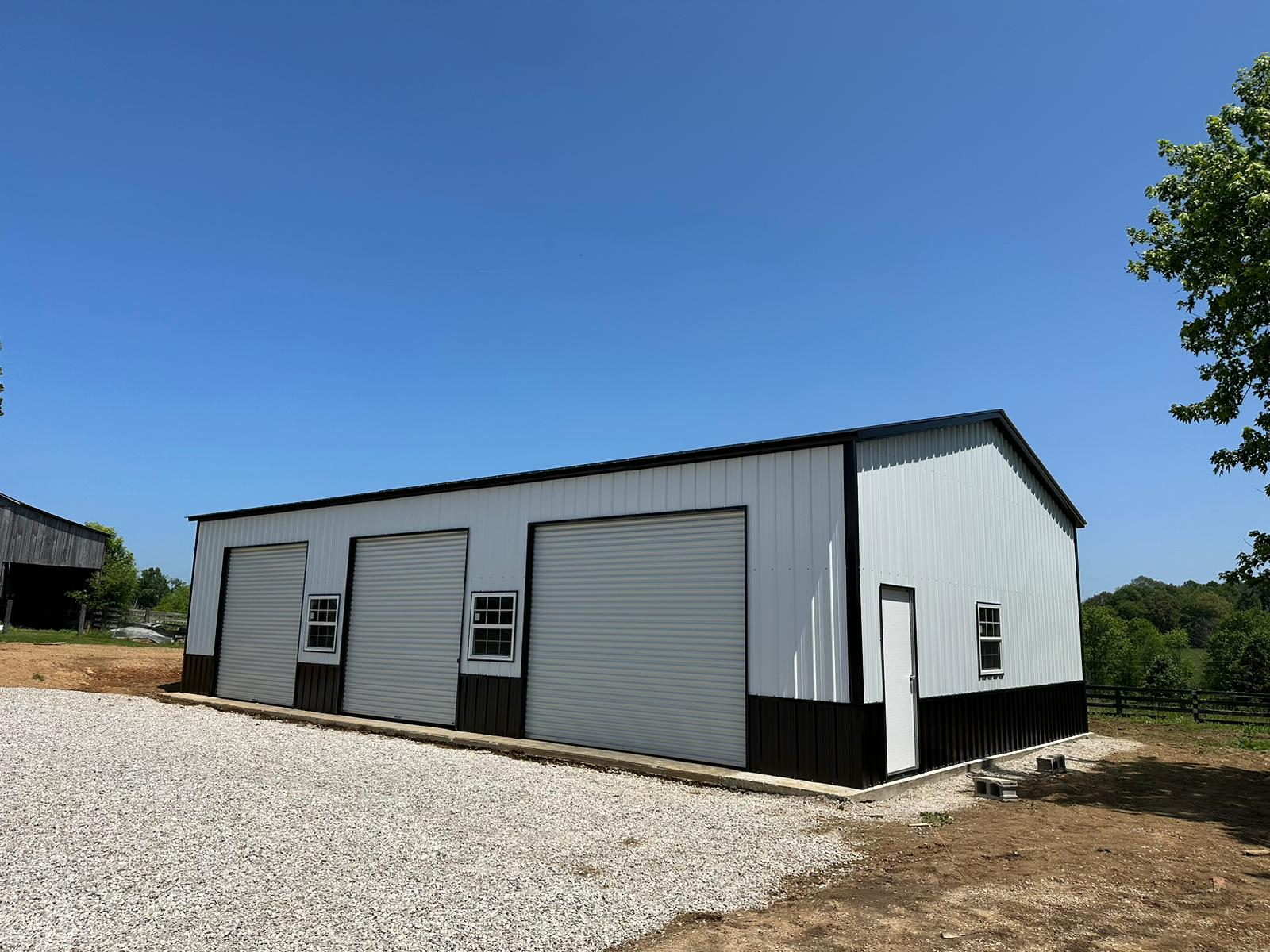
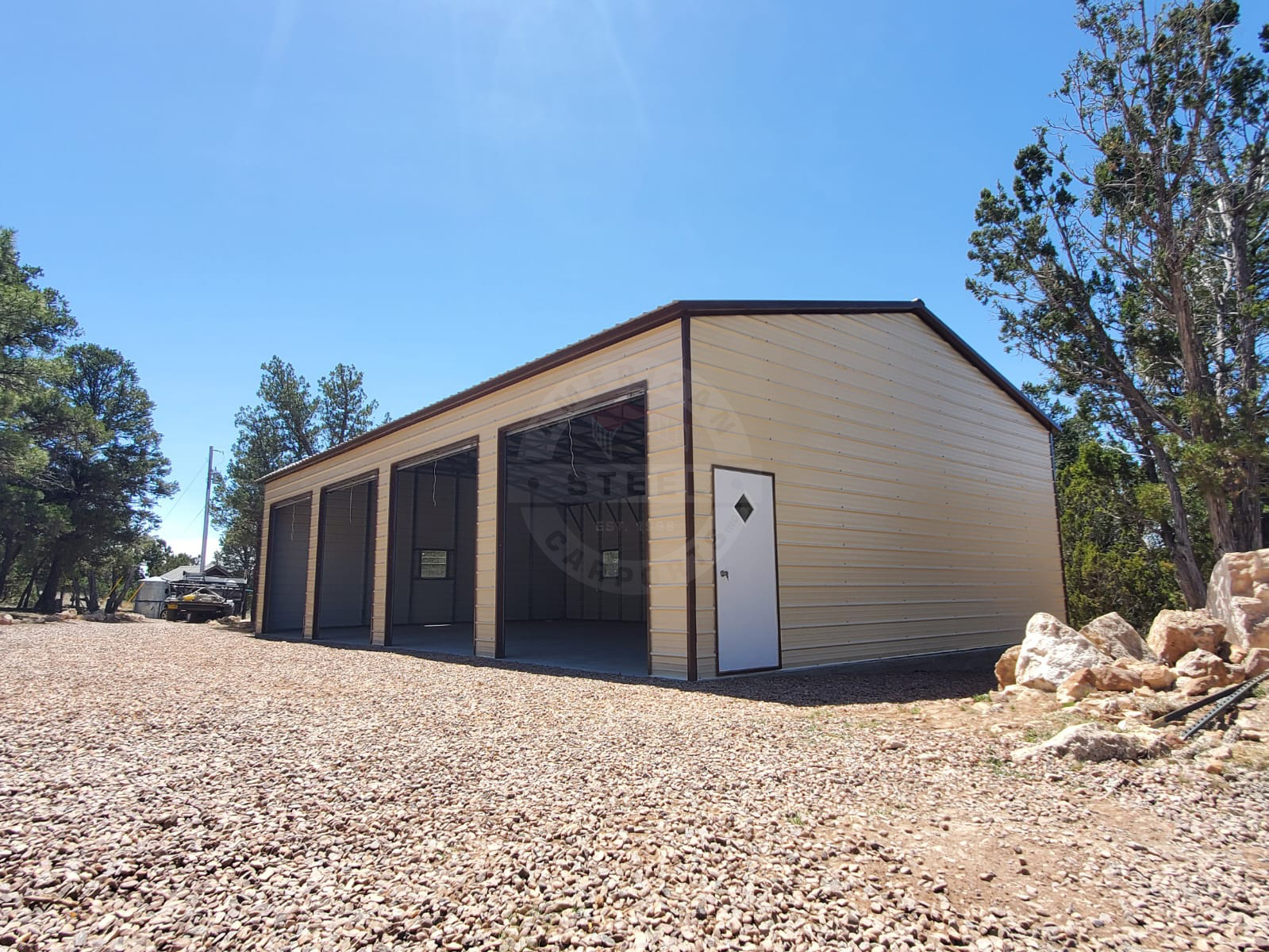
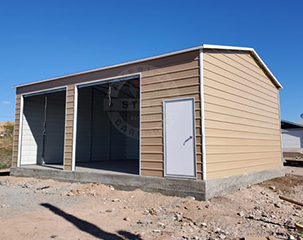
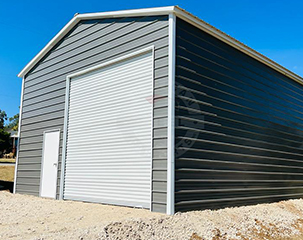
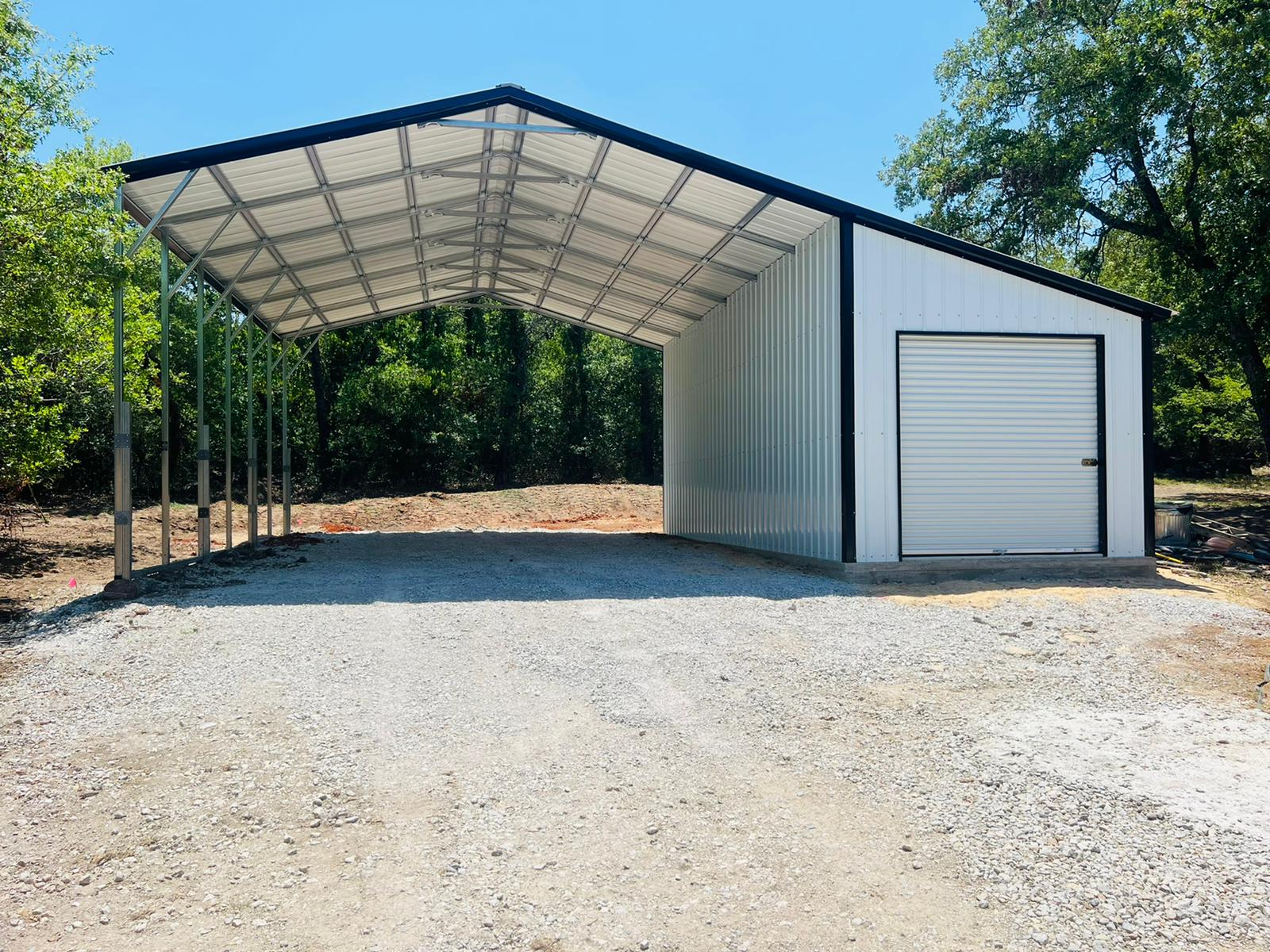
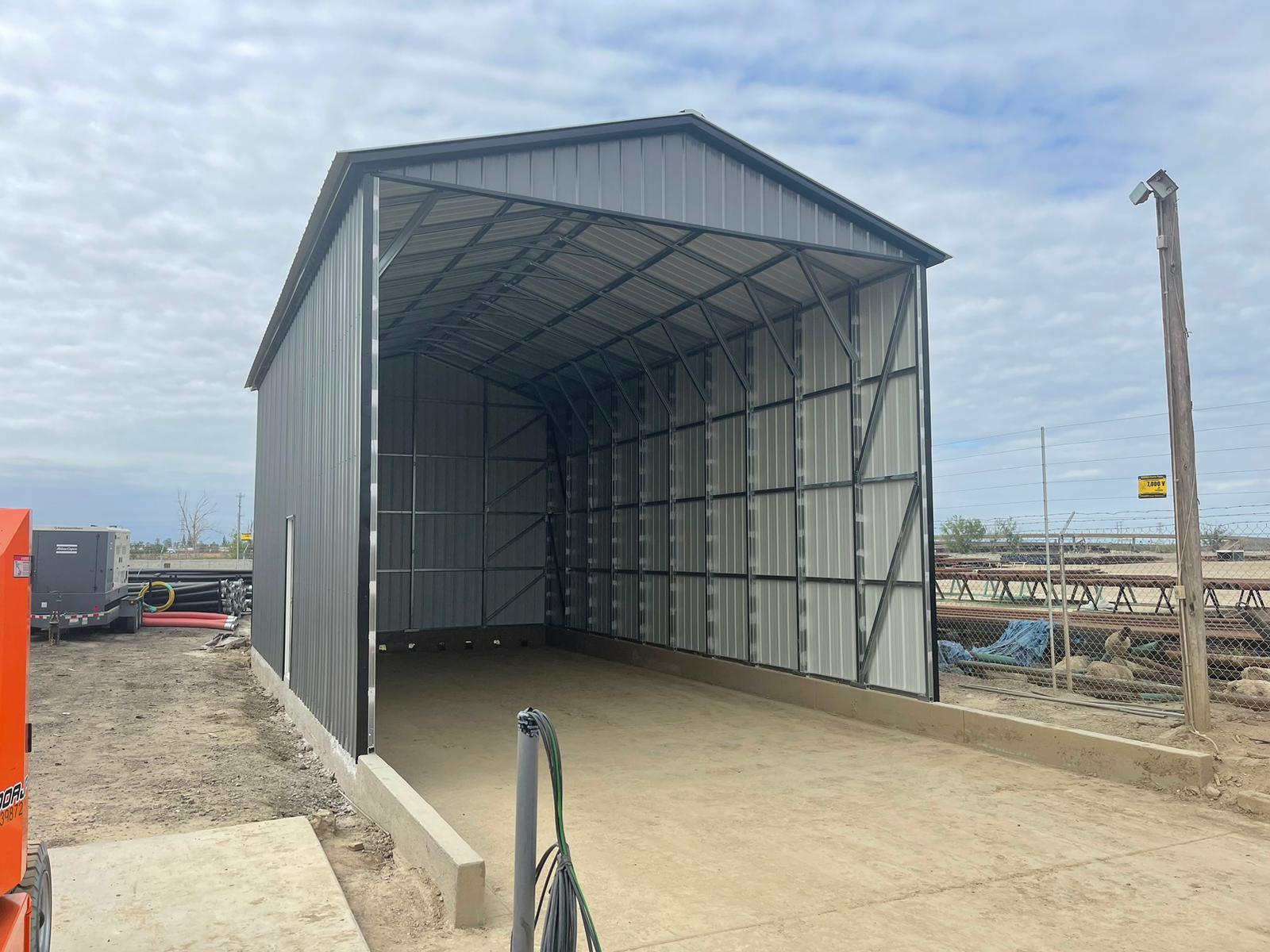
An open carport offers the simplest entry and the most airflow. Adding side panels on the prevailing-weather side can reduce low-angle sun and wind-driven precipitation. End panels may help too, but they must preserve the entry clearance. A fully enclosed RV garage offers the strongest separation from the outdoors, yet it costs more and requires door, ventilation, and access planning.
Use the structure rather than the product name to evaluate protection. Confirm panel orientation, frame and panel options, anchoring, braces, certification, and the exact clear dimensions. American Steel summarizes many of these choices on its features page.
Think in Terms of Total Ownership Effort
A fitted cover has a lower initial commitment but adds recurring labor and eventual replacement. A carport involves site planning and a larger upfront purchase, but routine use is simpler. Compare the cost of the solution with the value of your RV, how often you access it, your physical comfort handling a cover, and the number of years you expect to store it at the property.
How to Choose the Better Option
- Measure the RV and identify every vulnerable roof accessory.
- List the weather exposures that cause the most concern at the site.
- Confirm whether zoning, setbacks, permits, or community rules allow a structure.
- Decide how often you need access during storage.
- Compare a fitted cover, open carport, partial enclosure, and RV garage.
- If choosing a structure, verify the base, anchors, certification, and clear opening before ordering.
Choose Protection That Fits Your Storage Routine
For most owners with a suitable permanent site, a well-designed metal RV carport offers the better long-term balance of protection, access, airflow, and durability. A fitted cover remains useful when portability and low site impact matter most. Some owners use both, but only if the fabric cover can be installed safely and ventilated correctly beneath the shelter.
Compare American Steel RV carport options or review broader custom building choices. Use the Build & Price tool to explore a structure sized for your RV, then contact American Steel to confirm site-specific details.
Frequently Asked Questions
Does an RV carport protect the sides of an RV?
An open carport mainly provides overhead protection. Wider dimensions, orientation, and optional side or end panels can improve side coverage, but the design should preserve airflow, door access, and maneuvering room.
Can a fabric cover damage an RV?
A poorly fitted, dirty, or wind-loosened cover can rub the exterior or stress protruding components. Use a compatible product, follow its instructions, protect sharp points, and inspect the fit regularly.
Is an RV garage always better than a carport?
Not necessarily. A garage provides more enclosure and security, but it requires more planning, ventilation, door clearance, and budget. An open or partially enclosed carport may provide the protection and convenience an owner actually needs.