


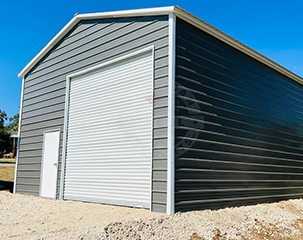
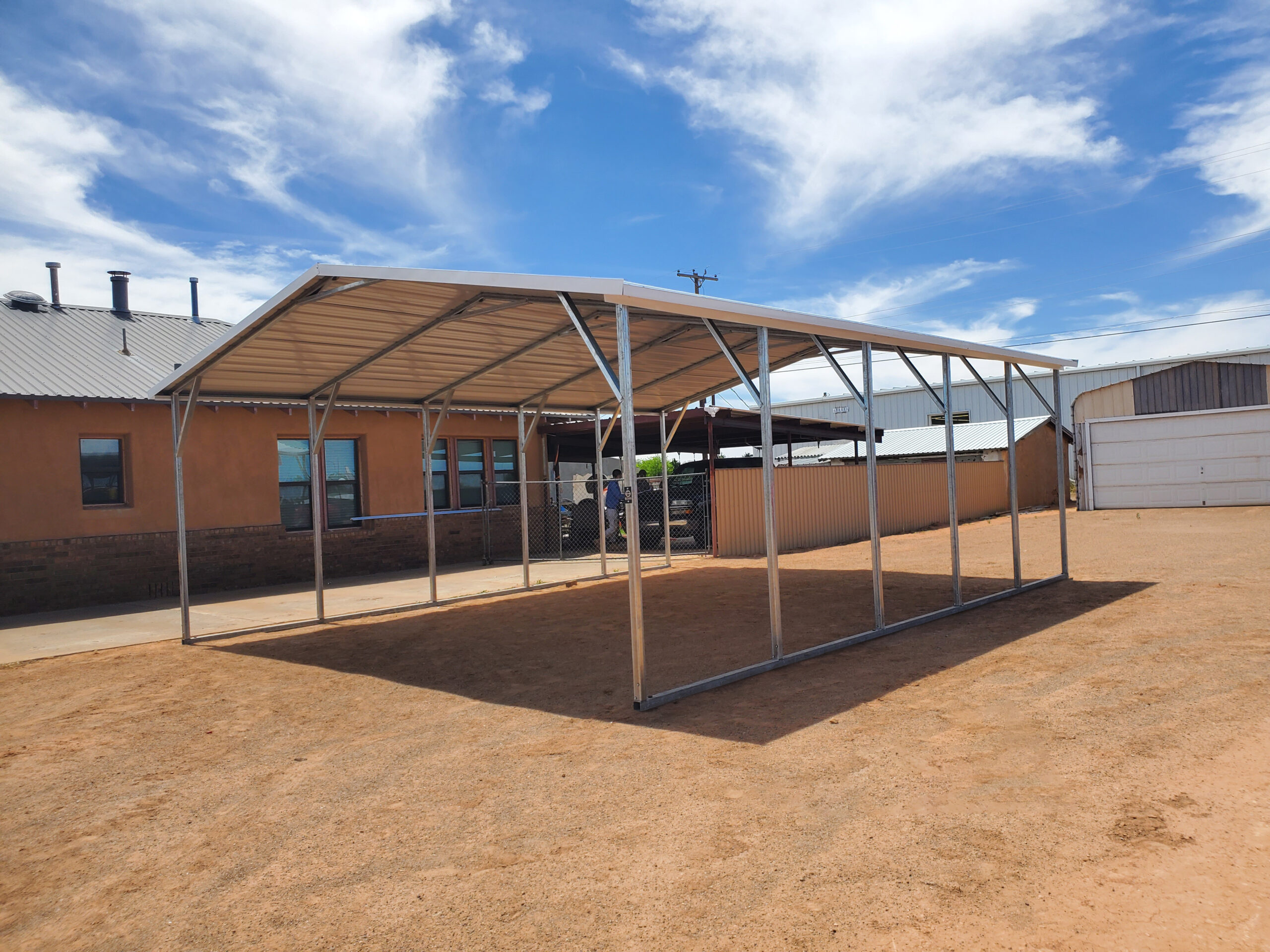
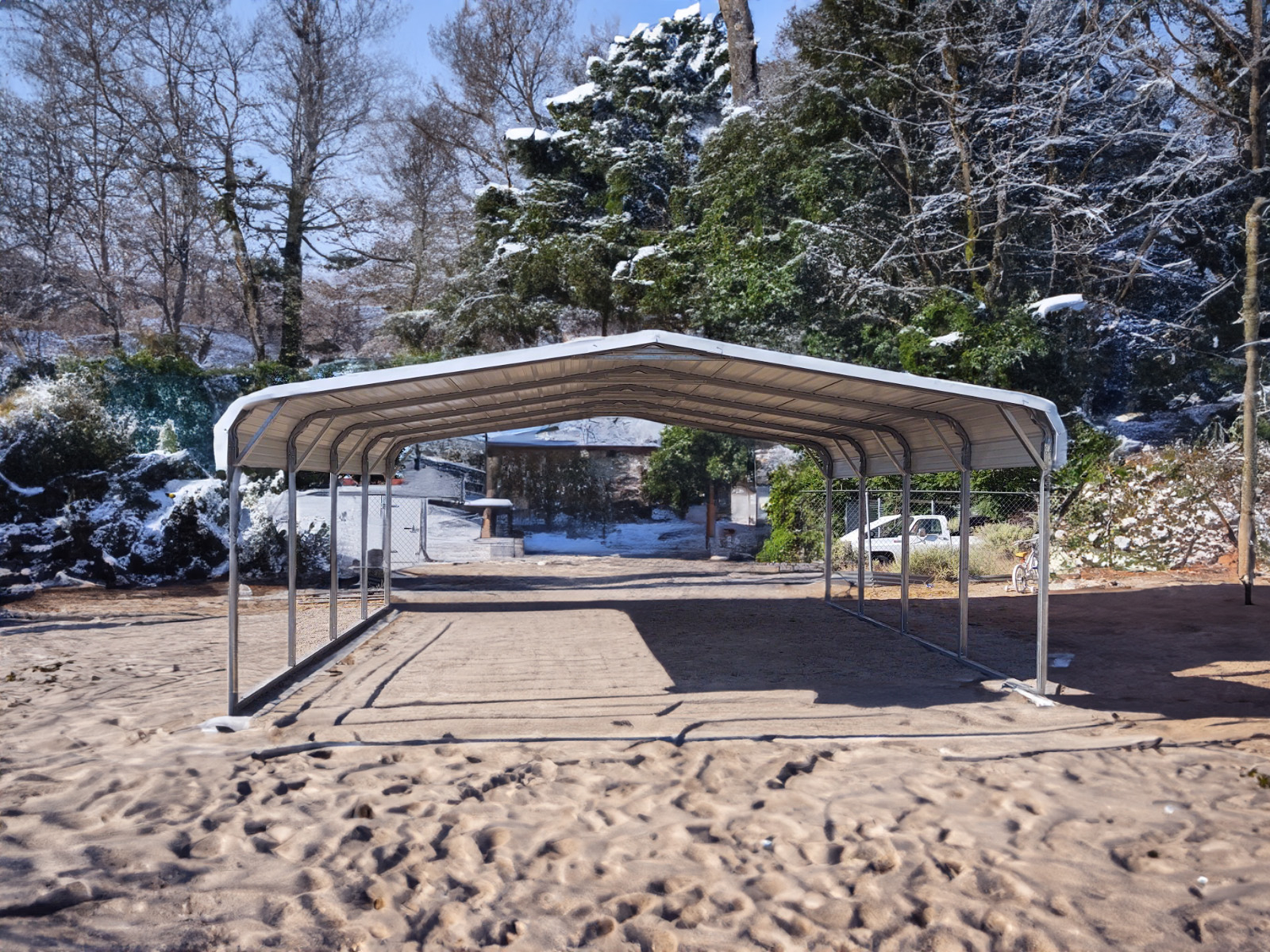
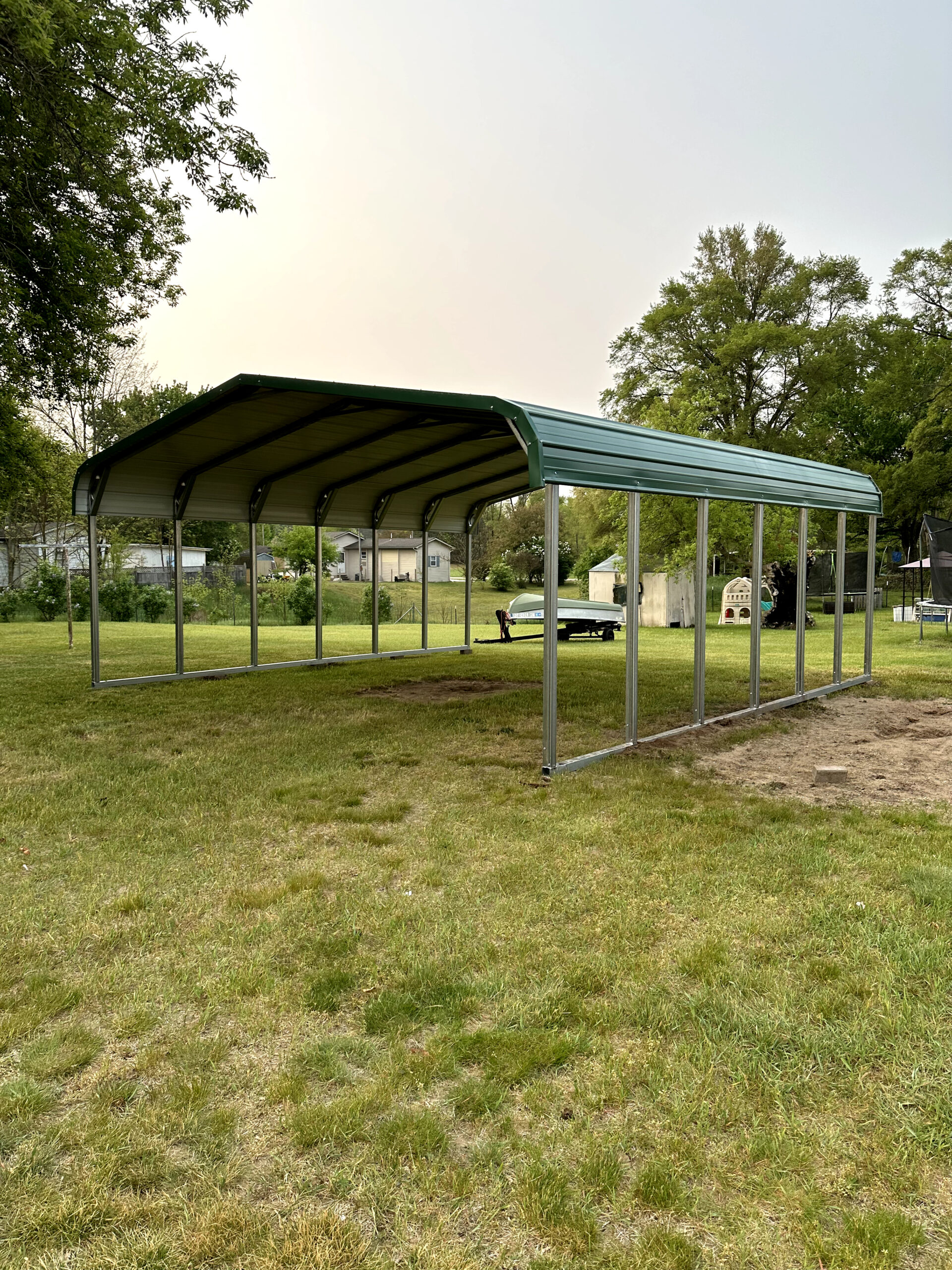
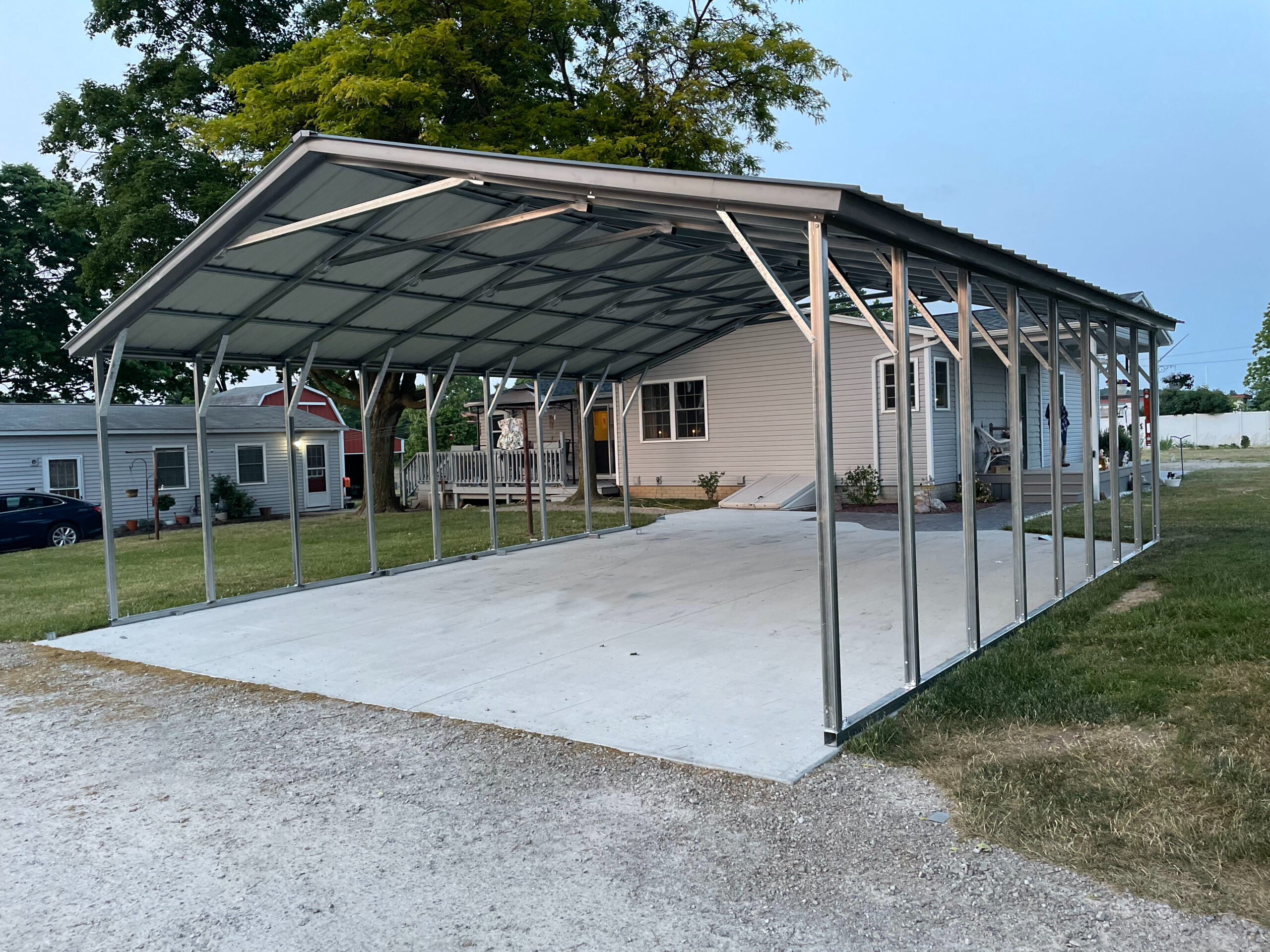
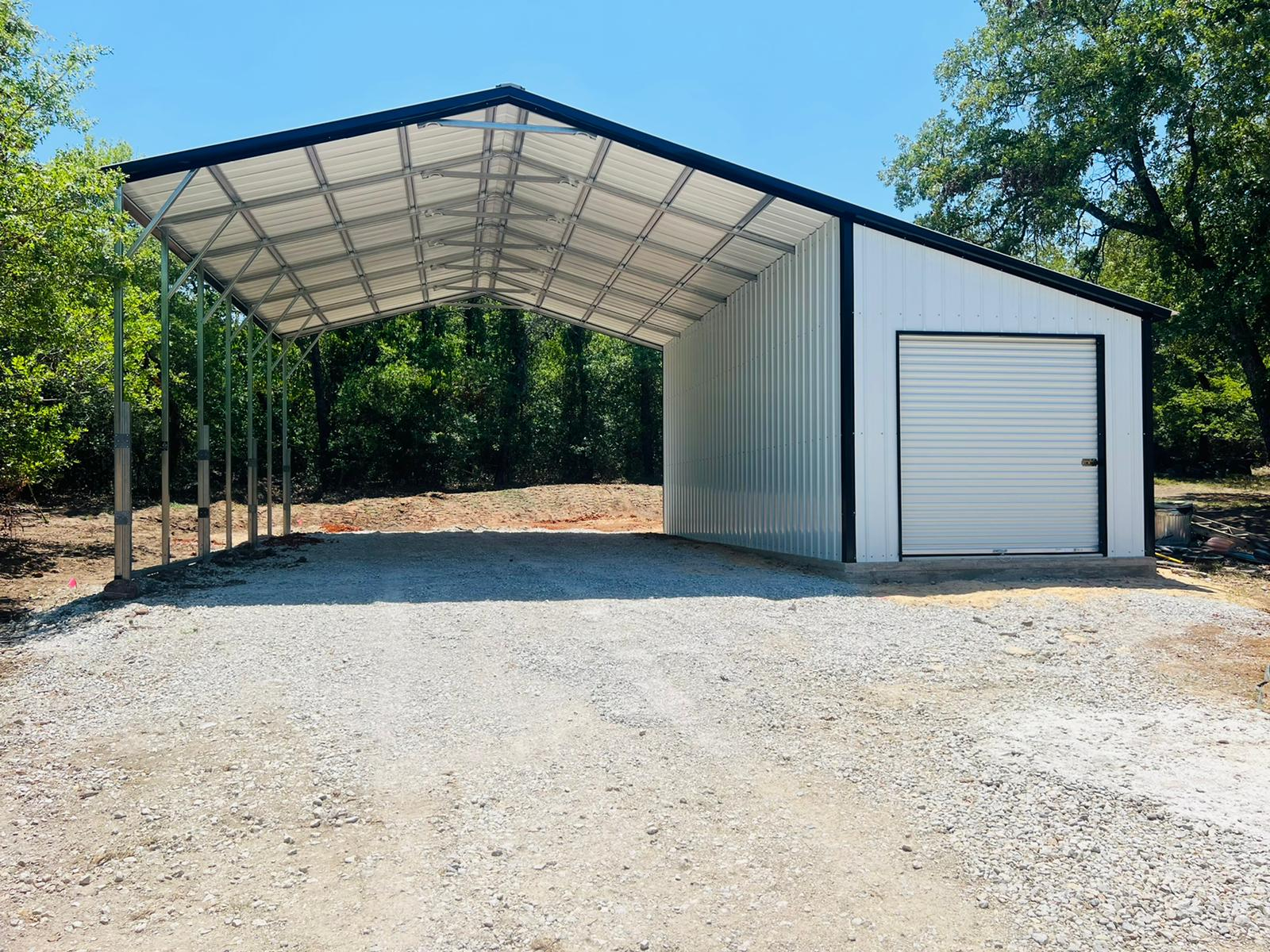
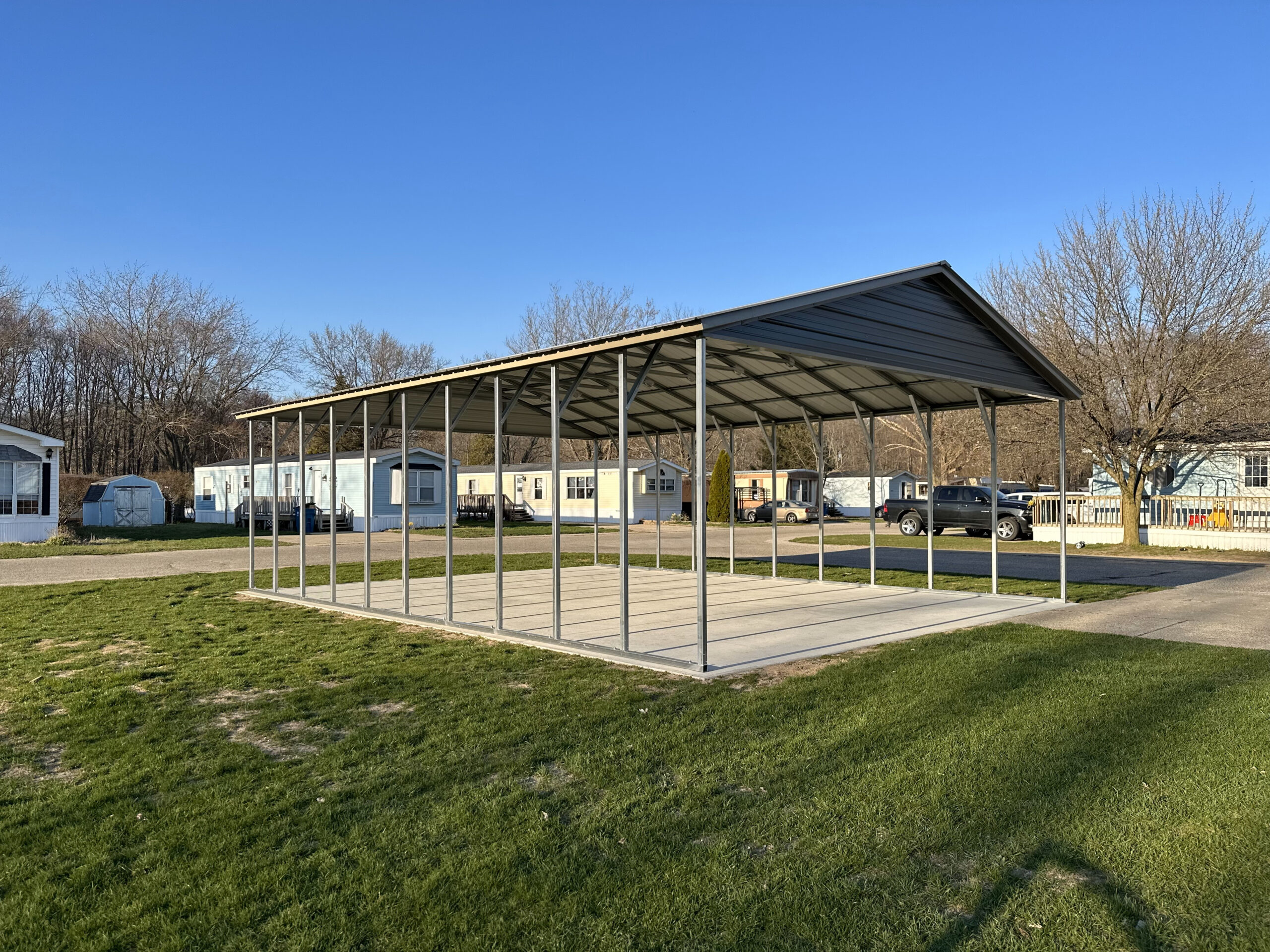
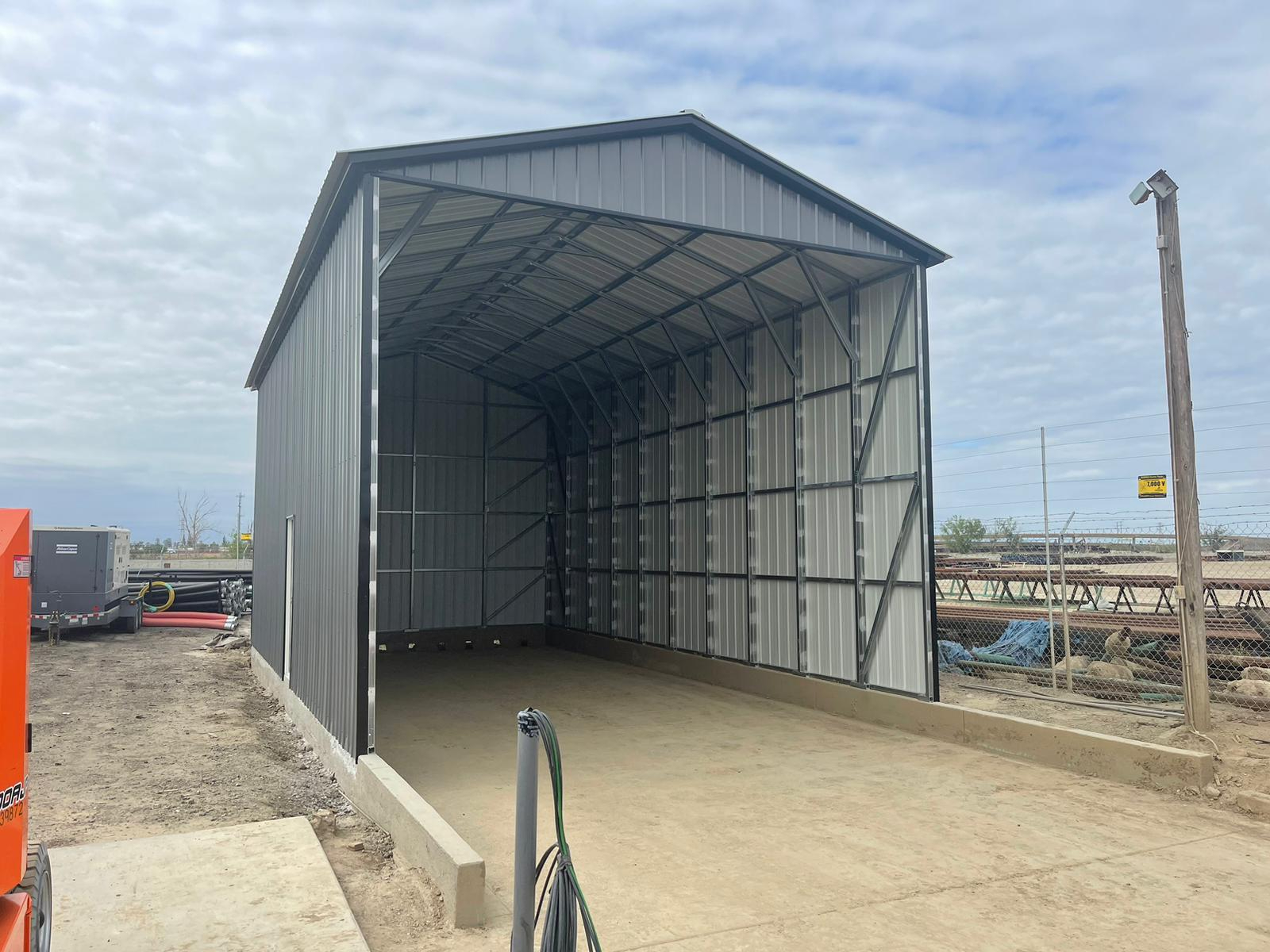
Do Metal Carports Need Gutters? Drainage, Runoff, and Water-Control Tips
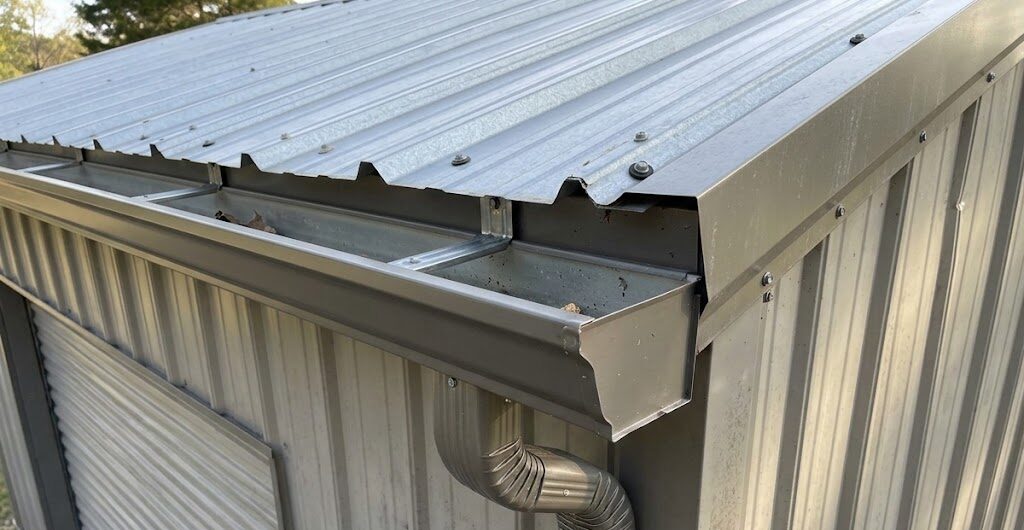
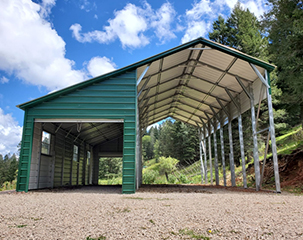
Metal carports do not always require gutters, but gutters can be a smart addition when roof runoff could create erosion, standing water, muddy parking areas, foundation concerns, or unwanted water near your home. The decision depends on your site slope, roof layout, local rainfall, soil conditions, nearby structures, and how you use the area around the carport.
A carport roof already directs water downward. Without a drainage plan, that water can fall directly off the roof edge and concentrate in a narrow strip along the building. During a heavy storm, this concentrated runoff may create a trench, splash mud onto vehicles, wash out gravel, or move water toward a driveway, walkway, house, or garage.
When you are ready to see what design options are possible by working with the American Steel Carports, Inc. team, be sure to visit our Build & Price tool. We also welcome you to contact us directly to learn more.
Do You Have to Put Gutters on a Metal Carport?
No, gutters are not automatically required for every metal carport. An open carport on a large, well-drained property may function perfectly well without them if water can safely disperse away from the structure.
However, gutters become more valuable when runoff has limited places to go or when concentrated roof water could damage the site.
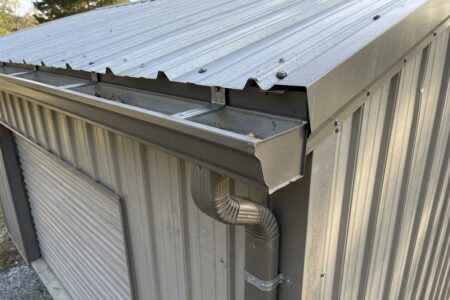
You should seriously consider gutters and downspouts if your carport is:
- Close to your home, garage, workshop, or another structure
- Built beside a driveway, sidewalk, patio, or entry area
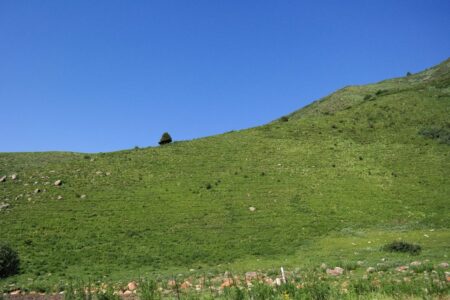
- Installed on a sloped lot
- Located in an area with frequent heavy rain
- Installed over a gravel surface that could wash out
- Near landscaping, flower beds, gardens, or retaining walls
- Used for storing vehicles where mud splash is a concern
- Located where roof runoff could cross a walking path
- Built on soil that erodes easily or drains slowly
The goal is not simply to collect water. It is to control where that water goes after it leaves the roof.
What Problems Can Carport Gutters Prevent?
Gutters and downspouts can help manage several common site problems.
Can Gutters Help Prevent Erosion?
Yes. When rain falls from a roof edge without gutters, the water lands in the same strip of soil or gravel below. Over time, that repeated impact can displace gravel, carve channels into soil, expose the building base, and create uneven ground around the carport.
This is especially common on sloped properties or in areas with intense thunderstorms. A gutter system collects roof runoff and moves it to a controlled discharge point rather than allowing it to pour off the entire length of the roof.
Can Gutters Keep a Carport Area Less Muddy?
They can. Roof runoff often creates splashback and saturated ground directly beside a carport. This can mean muddy shoes, dirty tires, messy vehicle doors, and standing water around the parking area.
A drainage plan that includes gutters, downspouts, properly graded ground, and a stable base can keep the carport area more usable after rain.
Can Gutters Protect Nearby Foundations?
They can help reduce the amount of roof water discharged near a nearby structure. If a carport is attached to, adjacent to, or located near a home, garage, workshop, or shed, it is important to keep water from repeatedly draining toward those foundations.
Gutters do not replace proper grading or solve every drainage issue. However, they can be an important part of an overall plan that directs water away from buildings.
When Might a Metal Carport Not Need Gutters?
A carport may not need gutters if it sits on a large, level site with excellent natural drainage and plenty of open space around the roof edges.
For example, an open-sided agricultural carport that covers equipment in a well-drained field may not benefit as much from gutters as a residential carport installed next to a concrete driveway and landscaped yard.
Even in open areas, though, observe the property after heavy rain. If runoff creates ruts, puddles, washouts, or soft ground near the carport, gutters or additional drainage improvements may still be worthwhile.
Where Should Carport Downspouts Drain?
Downspouts should discharge water away from the carport base and any nearby foundation, while staying clear of walkways, driveways, neighboring properties, septic systems, and areas where water can cause erosion.
Good downspout placement depends on the site. In some cases, a downspout extension can direct water onto a stable area with positive drainage. On other properties, water may need to be routed into a gravel drainage area, swale, underground drain, rain garden, or another drainage solution approved for the site.
Avoid directing water:
- Against the carport legs or anchors
- Toward your home’s foundation
- Across a driveway where it can create ice in winter
- Onto a neighboring property
- Into a low area that already holds water
- Onto a steep unprotected slope
- Near a septic system or utility access area
If your property has ongoing drainage issues, consult a qualified local drainage or grading contractor. Gutters are helpful, but they work best when the final discharge point has been planned correctly.
How Do You Size Gutters for a Metal Carport?
The appropriate gutter size depends on the roof area, roof configuration, rainfall intensity, downspout placement, and how quickly water needs to be moved away from the structure.
Longer or wider carports collect more water. A large roof over RVs, equipment, boats, or multiple vehicles can produce a substantial amount of runoff during a storm.
A gutter professional can help determine the right gutter and downspout configuration for your carport. They can also account for roof edges, fascia conditions, attachment methods, local weather, and the desired drainage route.
Do not choose gutter size based only on appearance. A system that is too small or poorly pitched can overflow during the storms when water control matters most.
Can You Add Gutters to an Existing Metal Carport?
In many cases, yes. Gutters can often be added after the carport is installed, provided the roof edge and framing can accommodate a properly secured system.
Because metal carports may not have the same fascia-board setup as a conventional house, the gutter attachment approach may differ. A professional installer can evaluate the roof edge, determine appropriate mounting hardware, and ensure the gutter system is pitched correctly toward downspouts.
Before adding gutters, inspect the area around the carport. There is little benefit to collecting roof water if the downspout will simply release it into a low spot next to the structure.
What Else Helps Control Water Around a Carport?
Gutters are only one piece of good drainage planning. Depending on your site, you may also need a properly graded installation area and a stable parking surface.
Should You Grade the Ground Away From the Carport?
Yes. The surrounding ground should generally direct surface water away from the structure. This helps prevent pooling, erosion, and soft soil around the base.
A carport should not become the lowest point in the yard. If it is installed where water naturally collects, rain may still flow under the structure even if gutters are added.
Does a Gravel Pad Help With Drainage?
A properly prepared gravel pad can help create a cleaner, more stable vehicle-storage area. It may reduce mud and support drainage when installed over a properly graded and compacted base.
However, gravel alone is not a complete drainage solution. If water is flowing downhill toward the carport, it can still wash through or around the gravel. The site must be prepared with water movement in mind.
For a detailed look at planning the installation area, review how to prepare a site before a metal building.
Can Side Panels Affect Water Management?
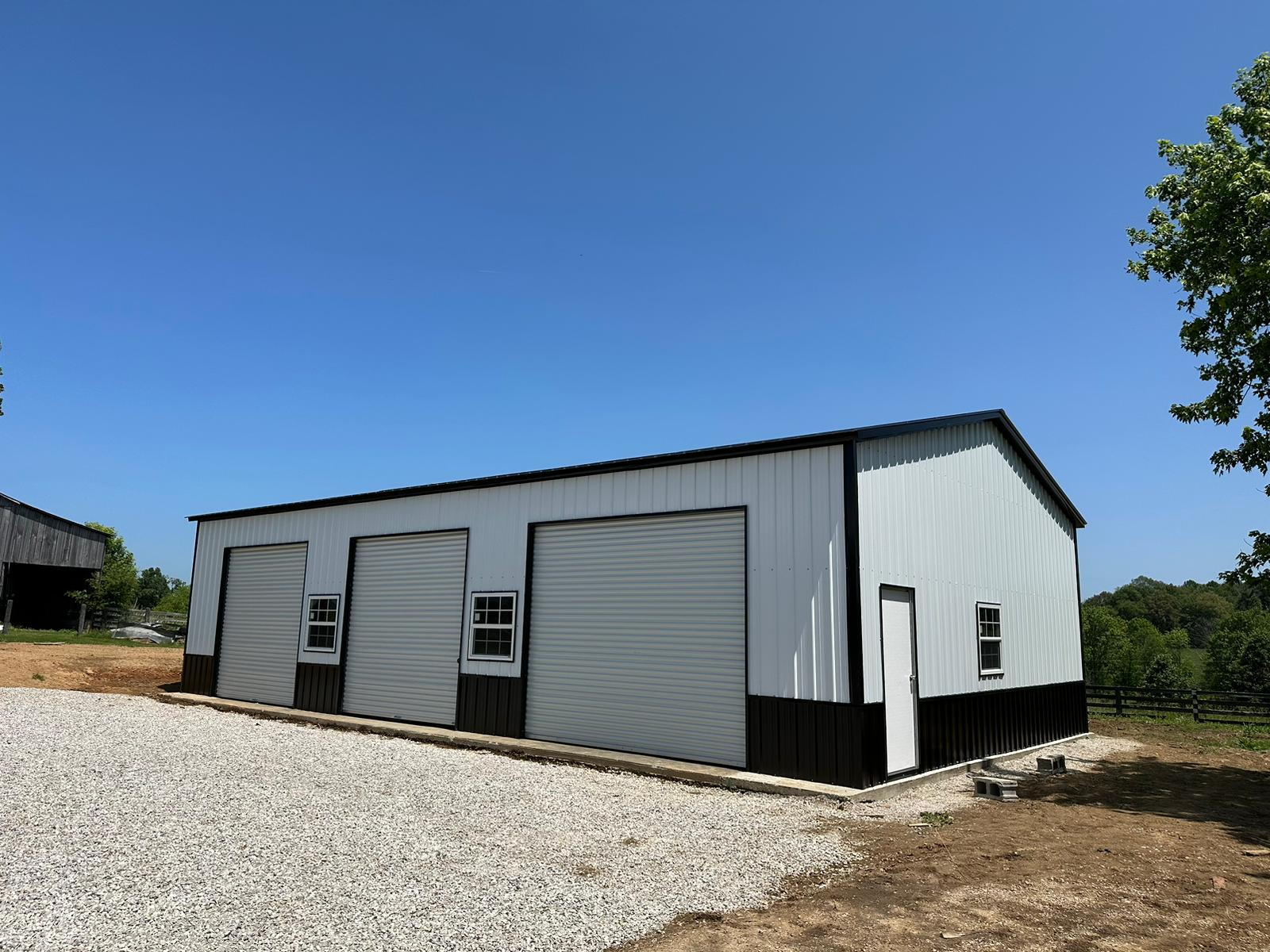
Yes. Side panels can improve protection from wind-driven rain, but they can also change how water moves around the structure. If you add sidewalls or enclose part of the carport, pay close attention to roof runoff, door placement, grade, and drainage around the perimeter.
Customers who need more weather protection, enclosed vehicle storage, or workshop space may want to compare metal garages with open carport designs.
How Do You Maintain Carport Gutters?
Gutters only work when they remain clear and securely attached.
Check the system regularly, particularly after storms and during seasons with falling leaves, pine needles, pollen, or heavy debris. Make sure downspouts remain open and extensions have not shifted.
Basic maintenance includes:
- Removing leaves, branches, and debris
- Checking for standing water in the gutter
- Looking for loose brackets or fasteners
- Inspecting seams for leaks
- Making sure downspouts are not clogged
- Confirming that water still drains away from the carport
- Repairing erosion or gravel washout near discharge areas
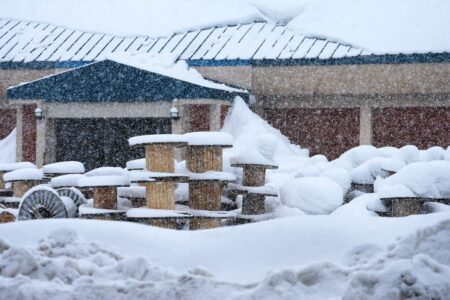
If you live in a region with freezing temperatures, also consider where water may freeze. Do not direct downspouts onto walkways, driveways, or vehicle entrances where winter runoff can create slippery conditions.
Should You Add Gutters to Your Carport?
Gutters are often a worthwhile upgrade when your carport is near your home, installed on a slope, built over a gravel base, or located in an area with frequent rain and limited drainage space.
They can help reduce erosion, control splashback, protect the parking surface, and move water away from the building. The best setup combines gutters with good grading, a stable installation surface, and a safe place for downspout water to drain.
Whether you are protecting a daily driver, boat, camper, trailer, or farm equipment, metal carports can be tailored to the space and protection you need. Use the Build & Price tool to start planning a custom carport, then account for drainage before installation day.
Frequently Asked Questions
Are gutters necessary on a metal carport?
Not always. Gutters are most useful when roof runoff could cause erosion, muddy ground, gravel washout, standing water, or water problems near nearby buildings and walkways.
Can I add gutters to a metal carport after installation?
Often, yes. A gutter professional can evaluate the roof edge and use the appropriate attachment system for the carport’s design.
Where should carport downspouts drain?
Downspouts should move water away from the carport base and nearby foundations, without directing runoff toward a walkway, driveway, neighboring property, or low area.
Will gutters stop water from getting under my carport?
Gutters can reduce roof runoff near the carport, but they will not solve water flowing toward the structure from the surrounding yard. Proper site grading and drainage are also important.
Can gutters help protect a gravel carport pad?
Yes. Gutters can reduce the concentrated roof runoff that may wash out gravel or create ruts along the edges of the carport.